Portfolio
A collection of my recent work
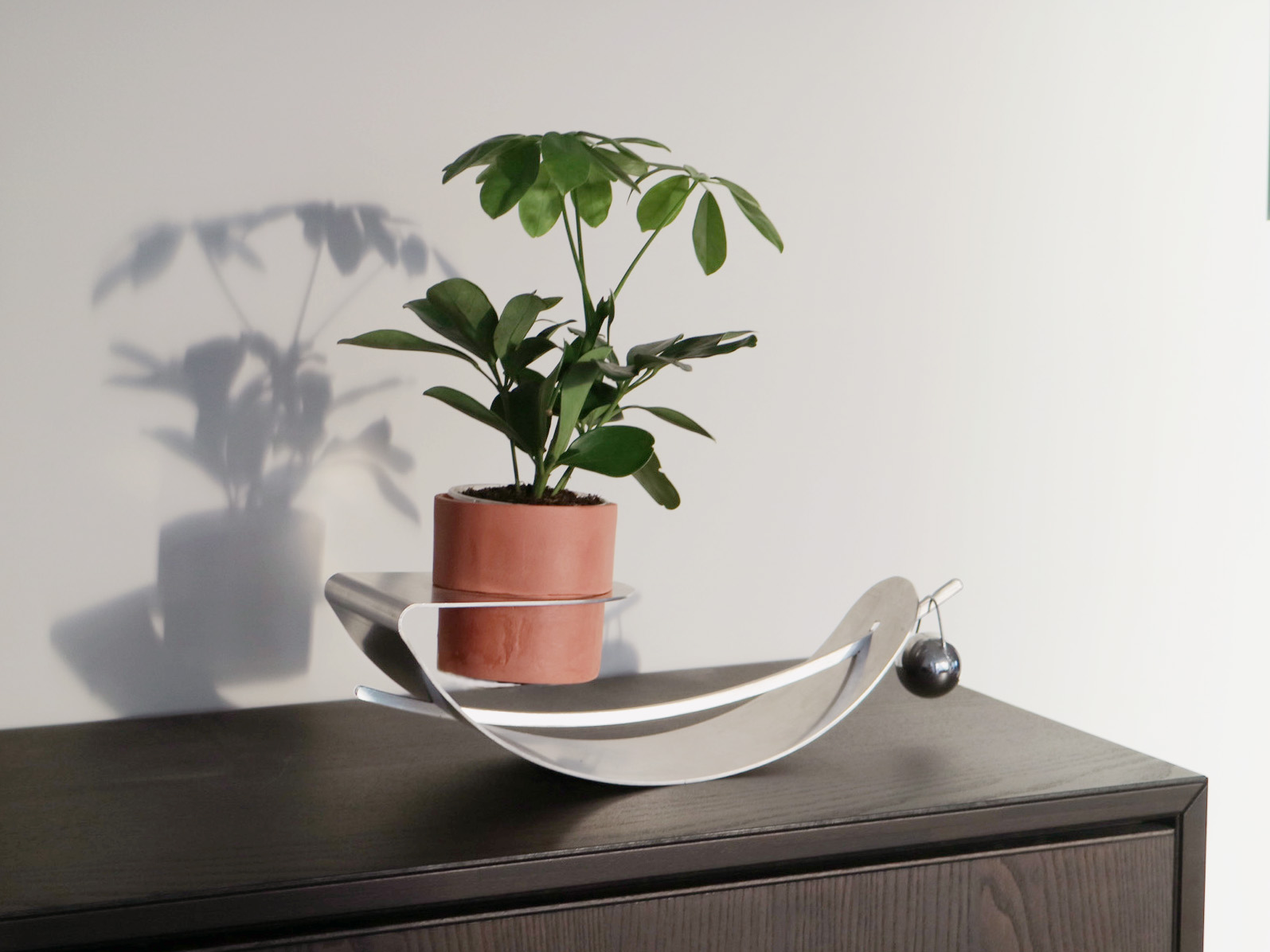
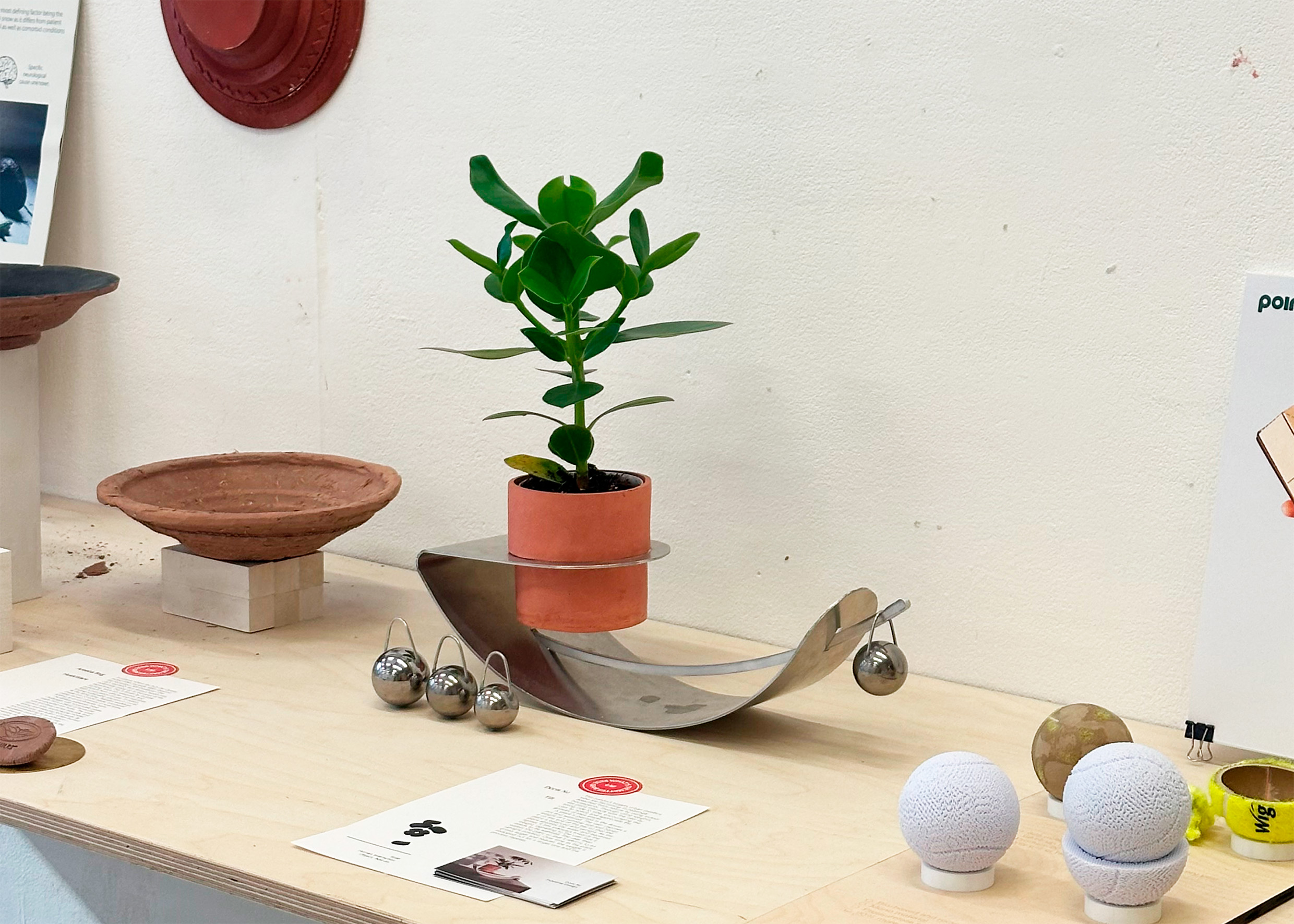
A flower pot that reconnects people with nature in a playful way.
Through using weights, the plant interacts with the user by tilting side to side, encouraging the user to notice and appreciate the growth of their plants.
A plant is planted in the flower pot and watered. A weight of a suitable size is chosen and hung on the end of the bar so that the plant is balanced and upright. As the plant absorbs the water and becomes lighter, it tilts sideways towards the weight, signalling to the user that it needs to be watered. The user then waters the plant so that it returns to an upright position. Over time as the plant grows larger and heavier, the weight is swapped out for a larger one and the process repeats.
Read more on Dezeen
Rather than seeing a houseplant purely as a static and decorative object, this project aims to highlight that plants are living organisms that are contantly growing and changing.


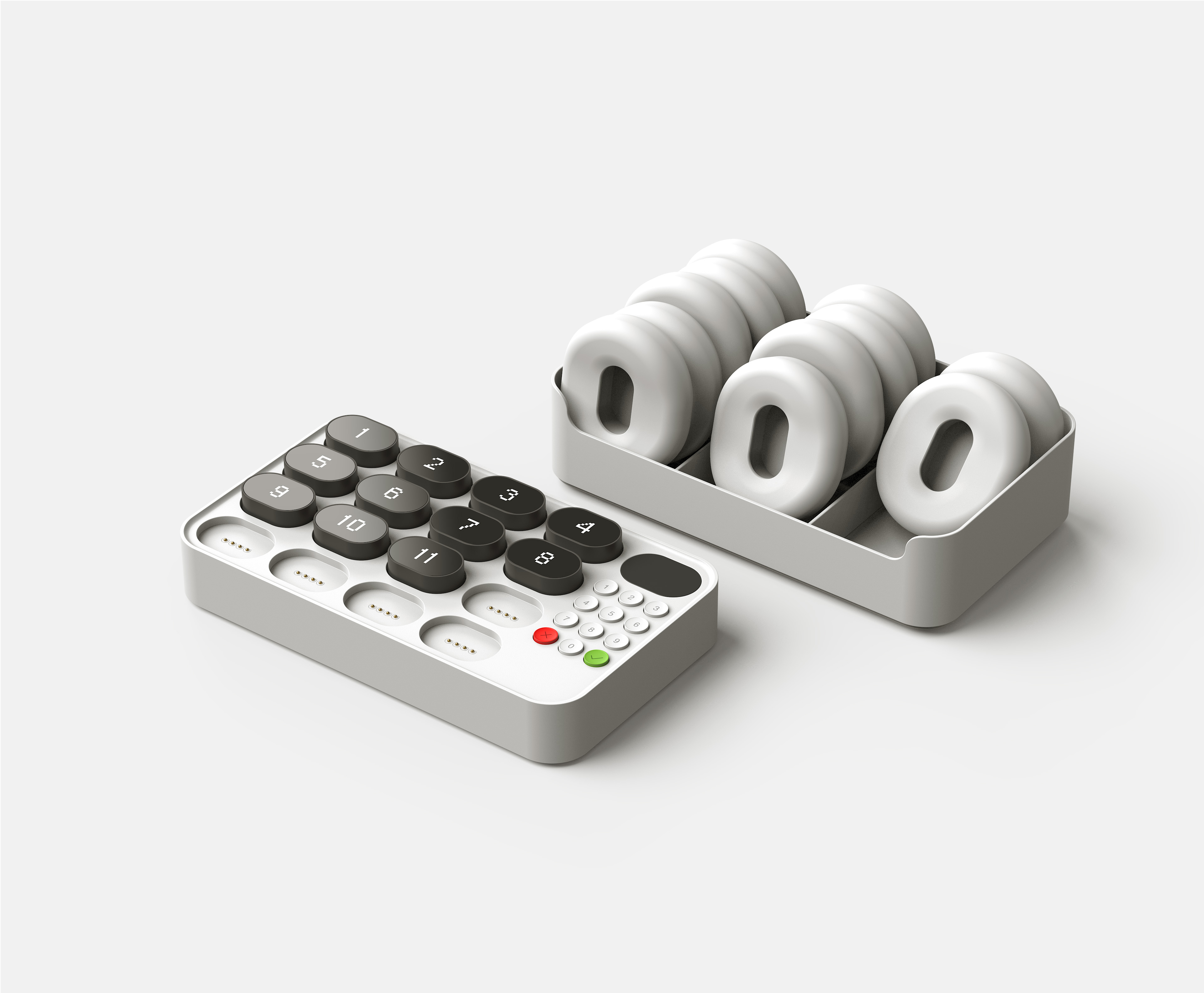
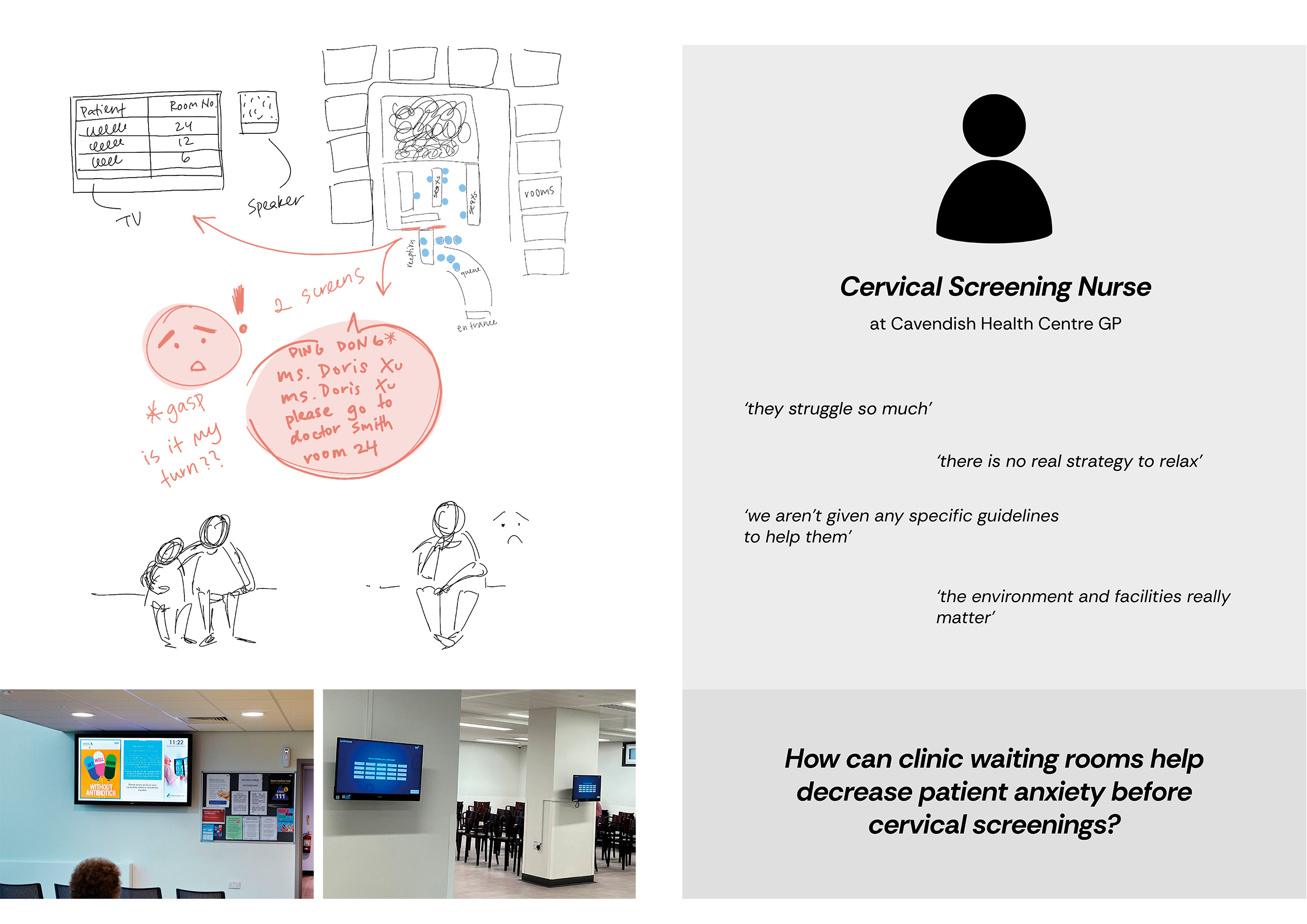
A patient call system for GP waiting rooms to help reduce anxiety before cervical screens.
Cervical screenings can be an intimidating process. Often patients are asked to wait for their name to be called before they are bought to the examination room. During this time, patients often become anxious in the waiting room anticipating their turn for the screening, which results in a more unpleasant and painful screening experience.
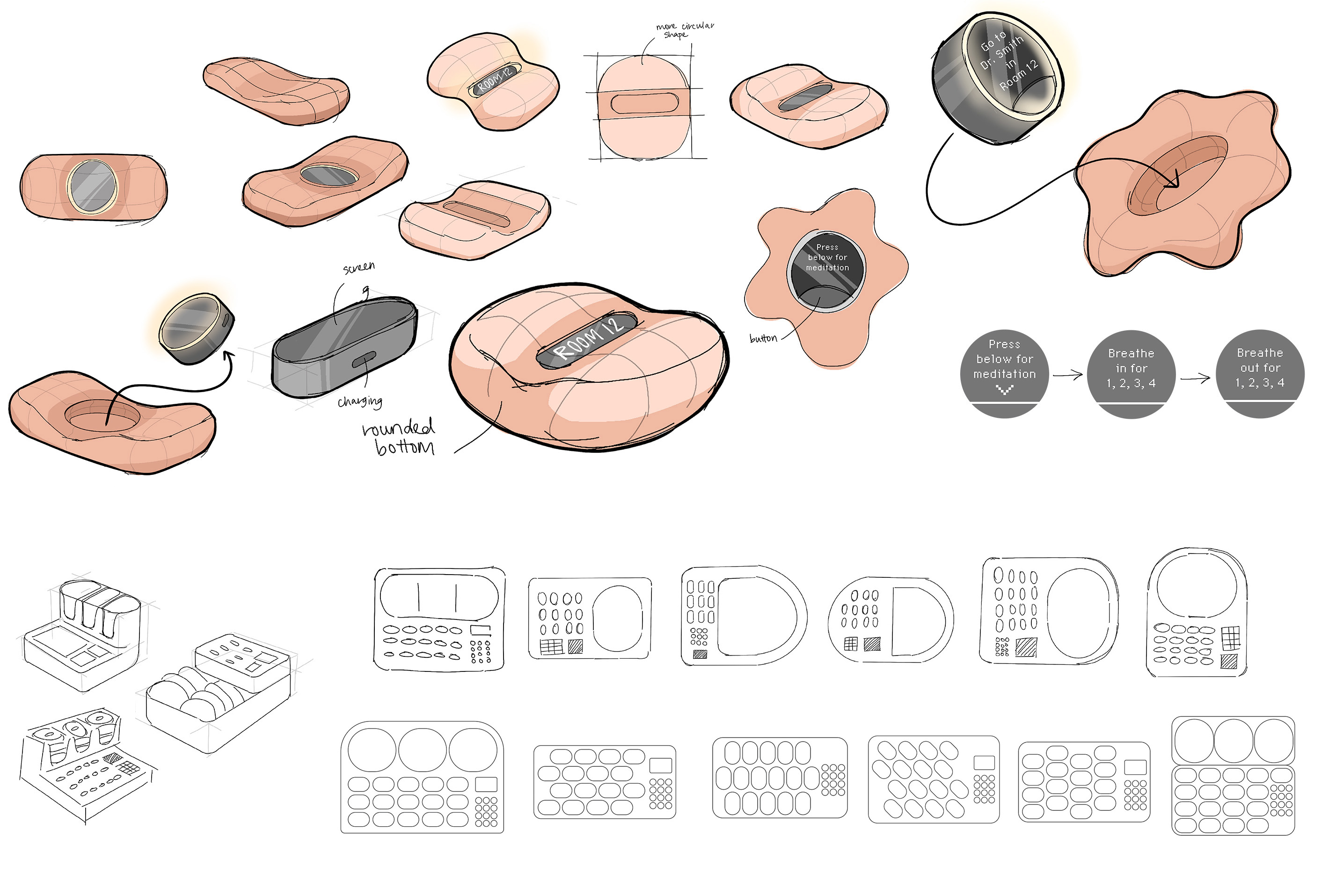
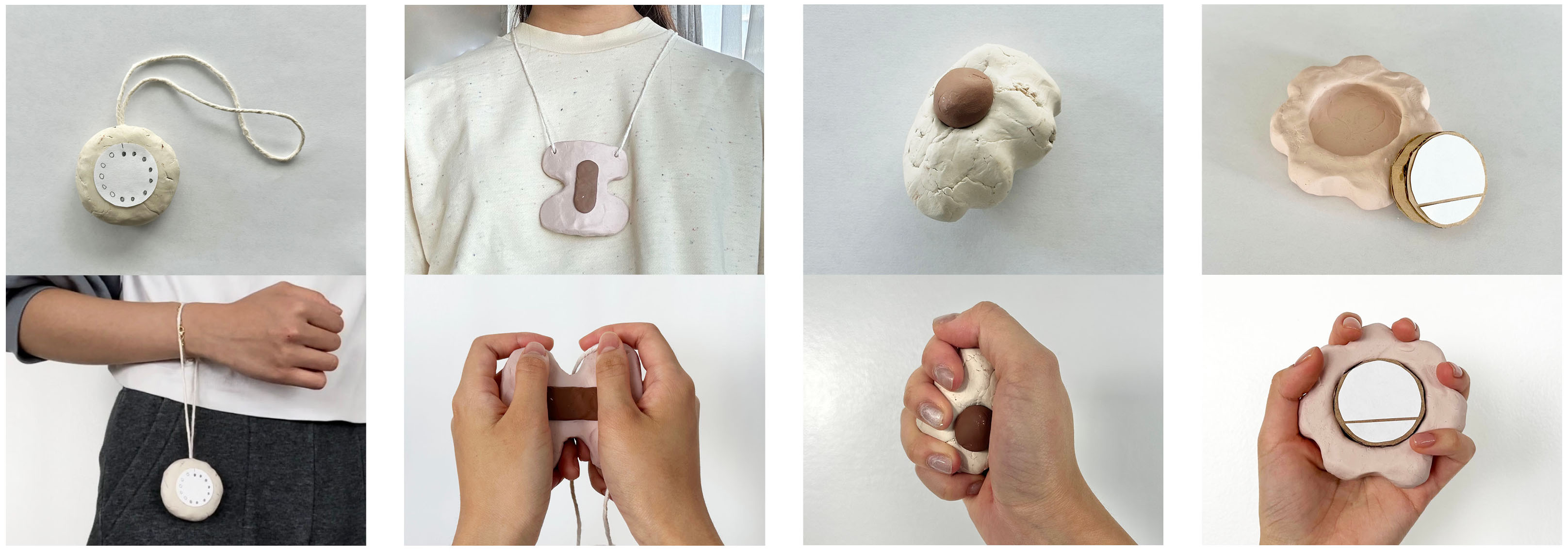
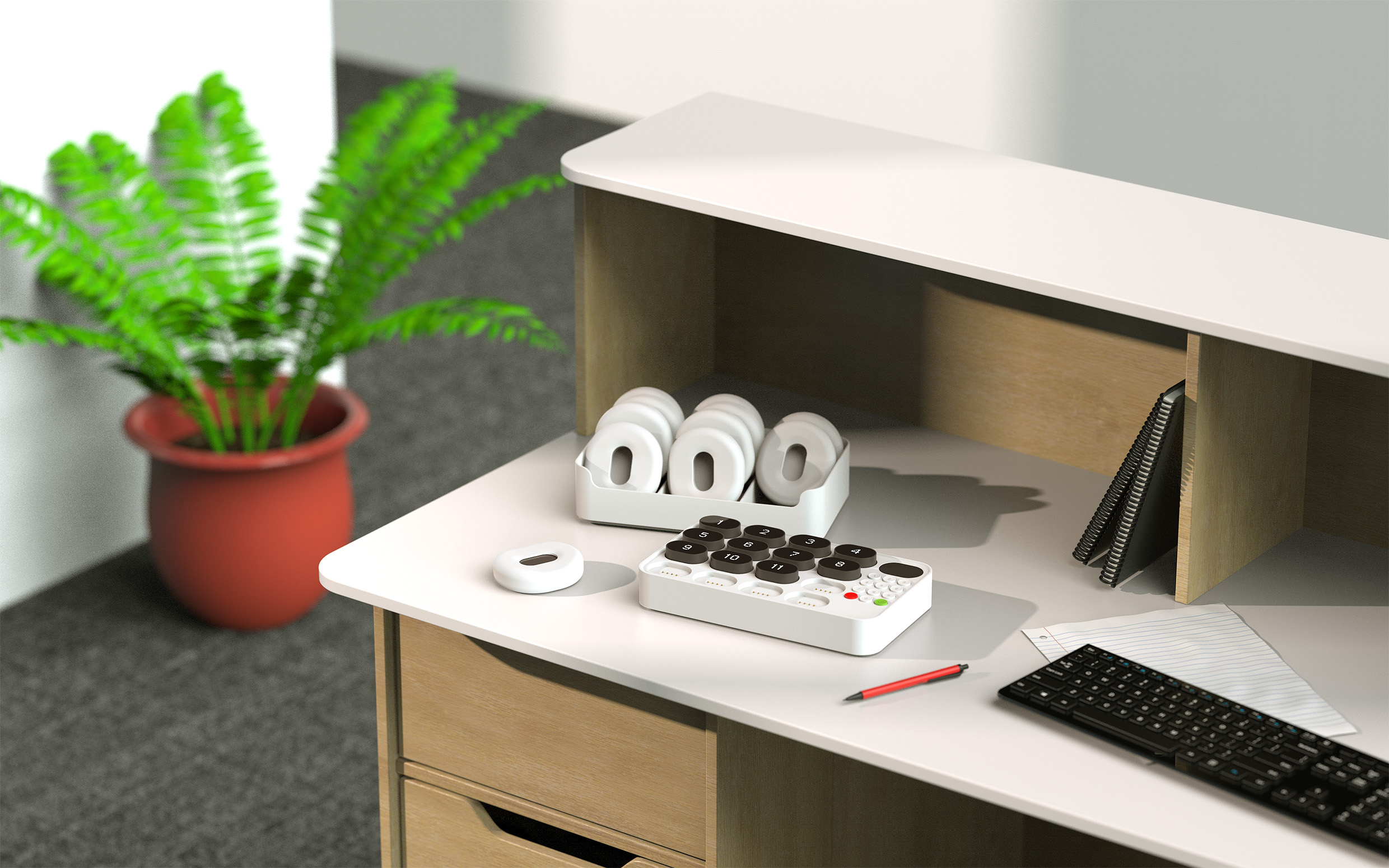
This is a patient call system for use in the waiting room, aiming to reduce anxiety before the screening. The receptionist assigns a room to the device using the charging dock at the GP reception desk, inserts the device into the flexible silicone casing and hands it to the patient. As the patient waits in the waiting room, the device plays a calming animation accompanied by gentle vibrations that sync with the rhythm of deep, steady breaths. The patient can follow the vibrations to guide their breathing, helping to calm their nerves before the screening. When it is the patients turn, the device gently alerts them of which room to go to.

A chair that can be turned into a stool, made with a set amount of materials given.
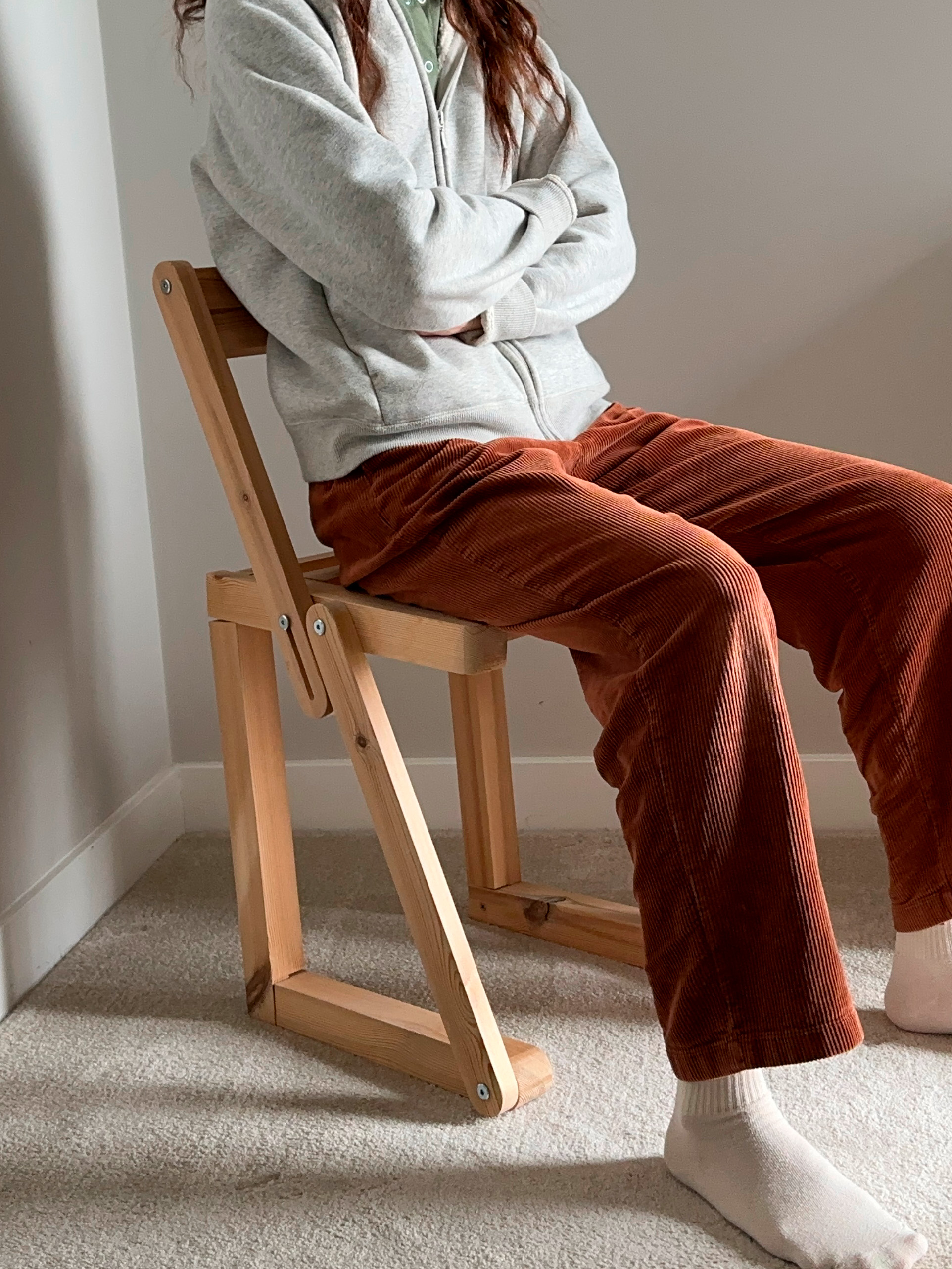
For this project I was given a limited length of wood to make a chair. I focused on how incorporating a moving component can allow for transformational properties in a chair, whilst using subtle design cues to hint at how it is used.
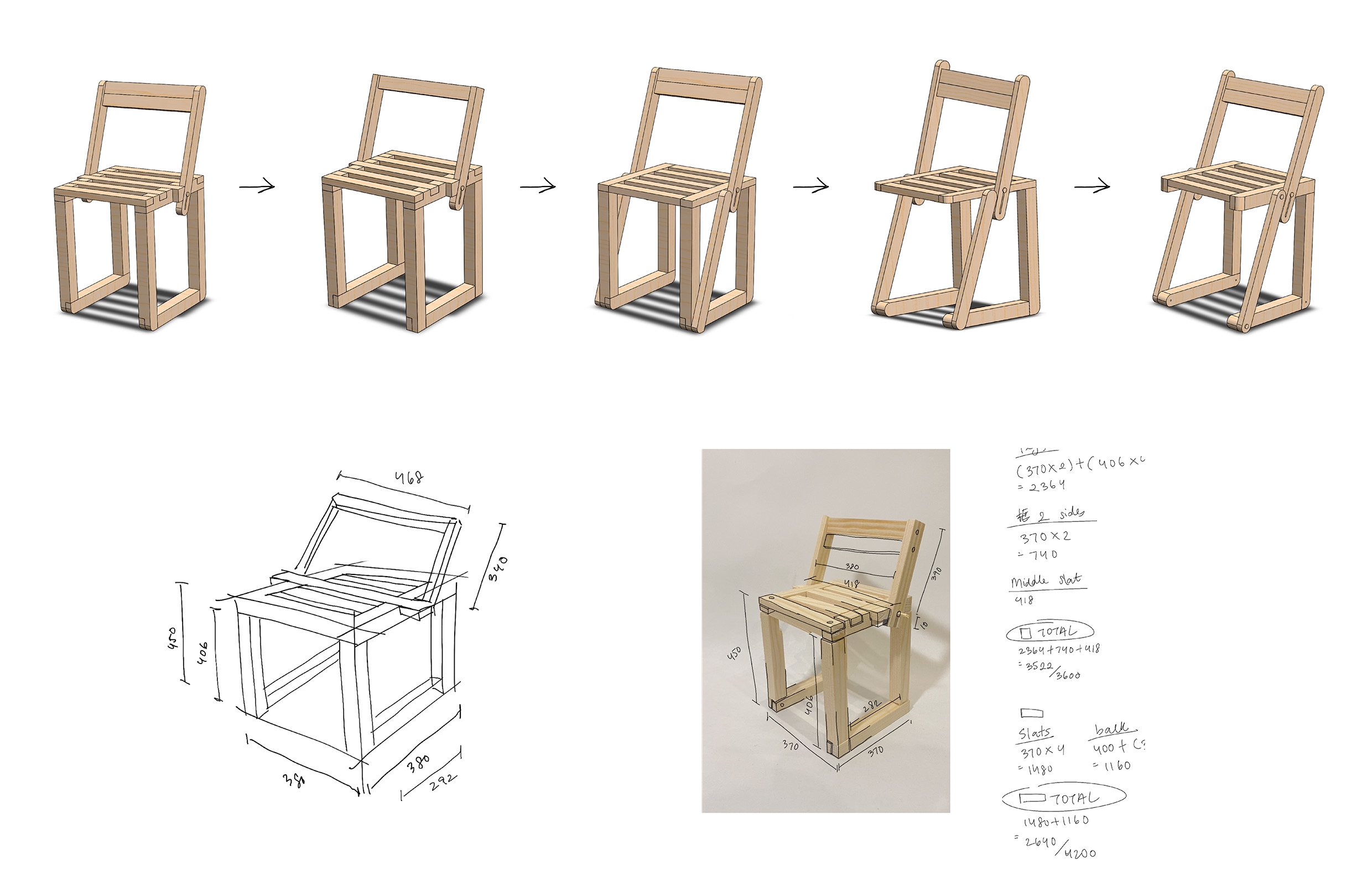
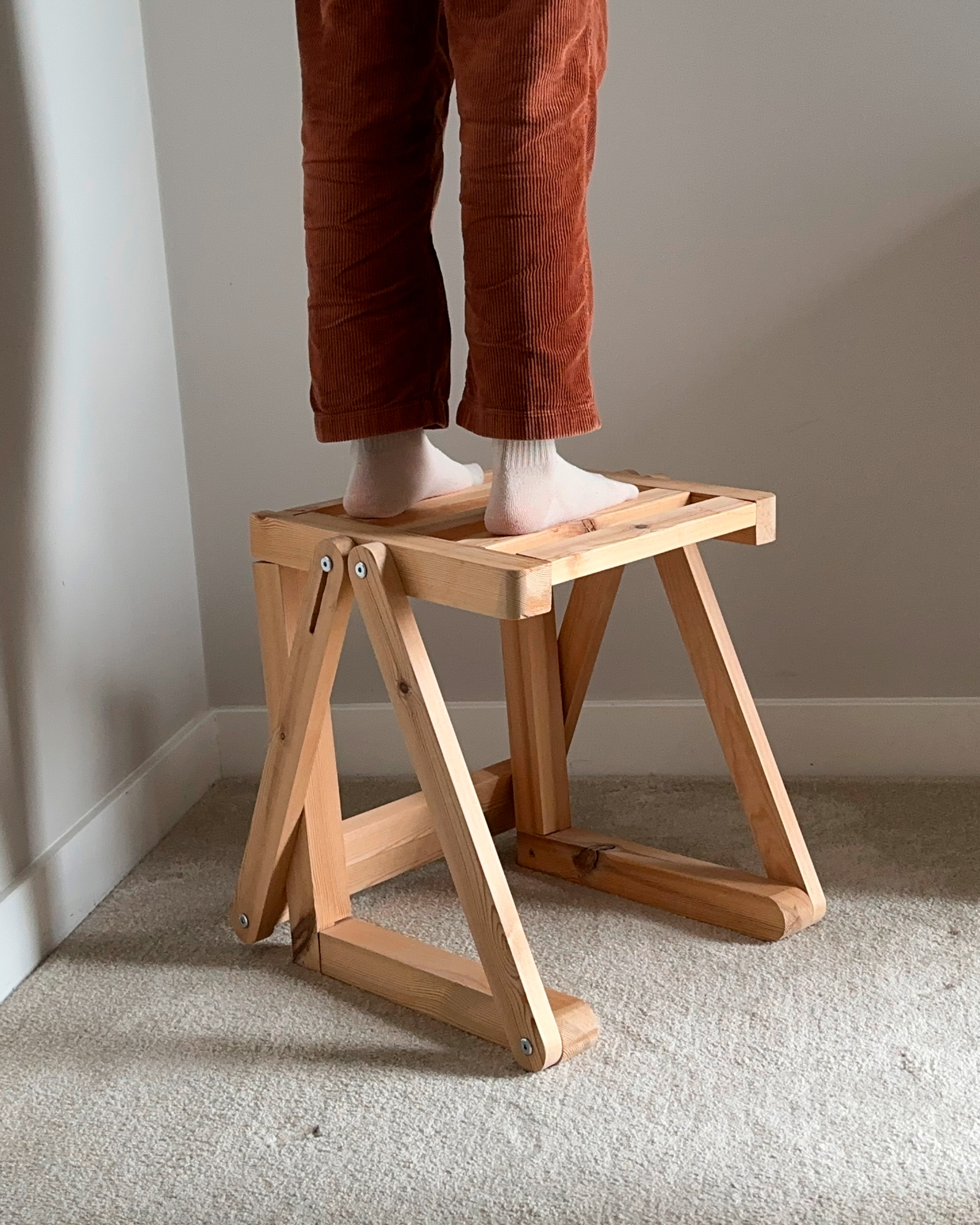
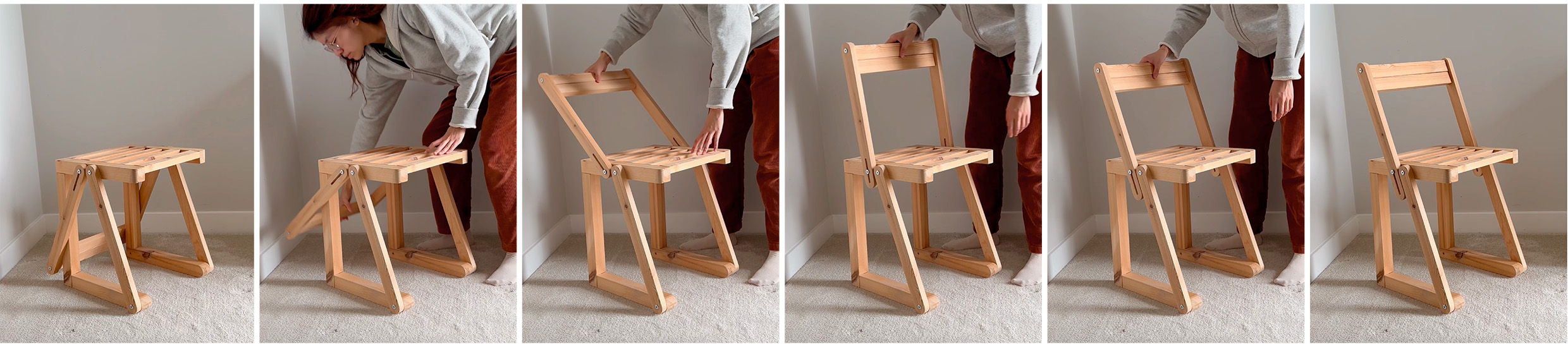
This design uses a sliding slot and a bolt to create a chair back that can be folded down to convert the chair into a stool.

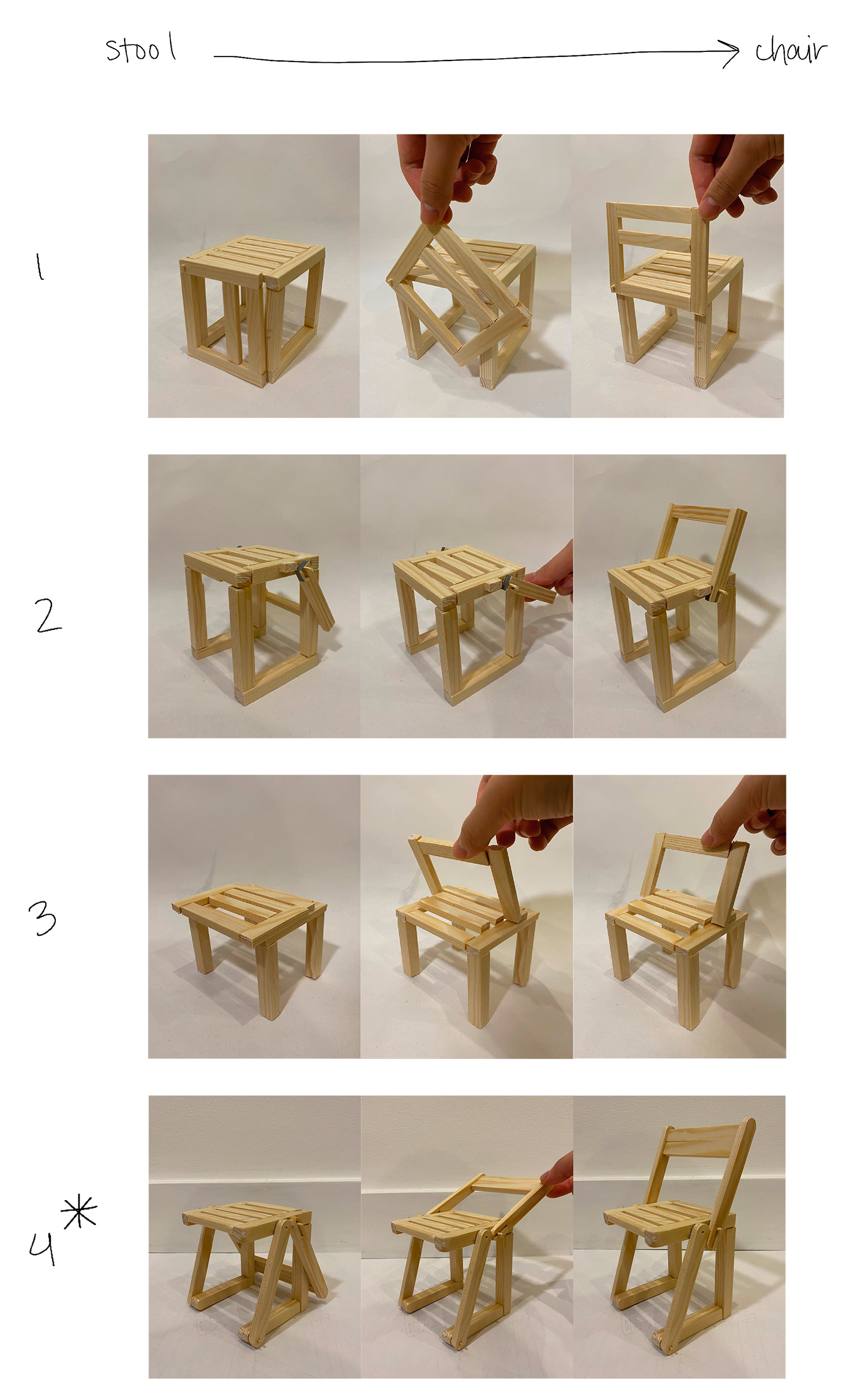
1:5 scale models to test how a moving mechanism can be incorporated into a chair to convert it into a stool.
Considering the stability and ergonomics of the shair, a slot mechanism is used to allow the user to fold the chair back downwards.
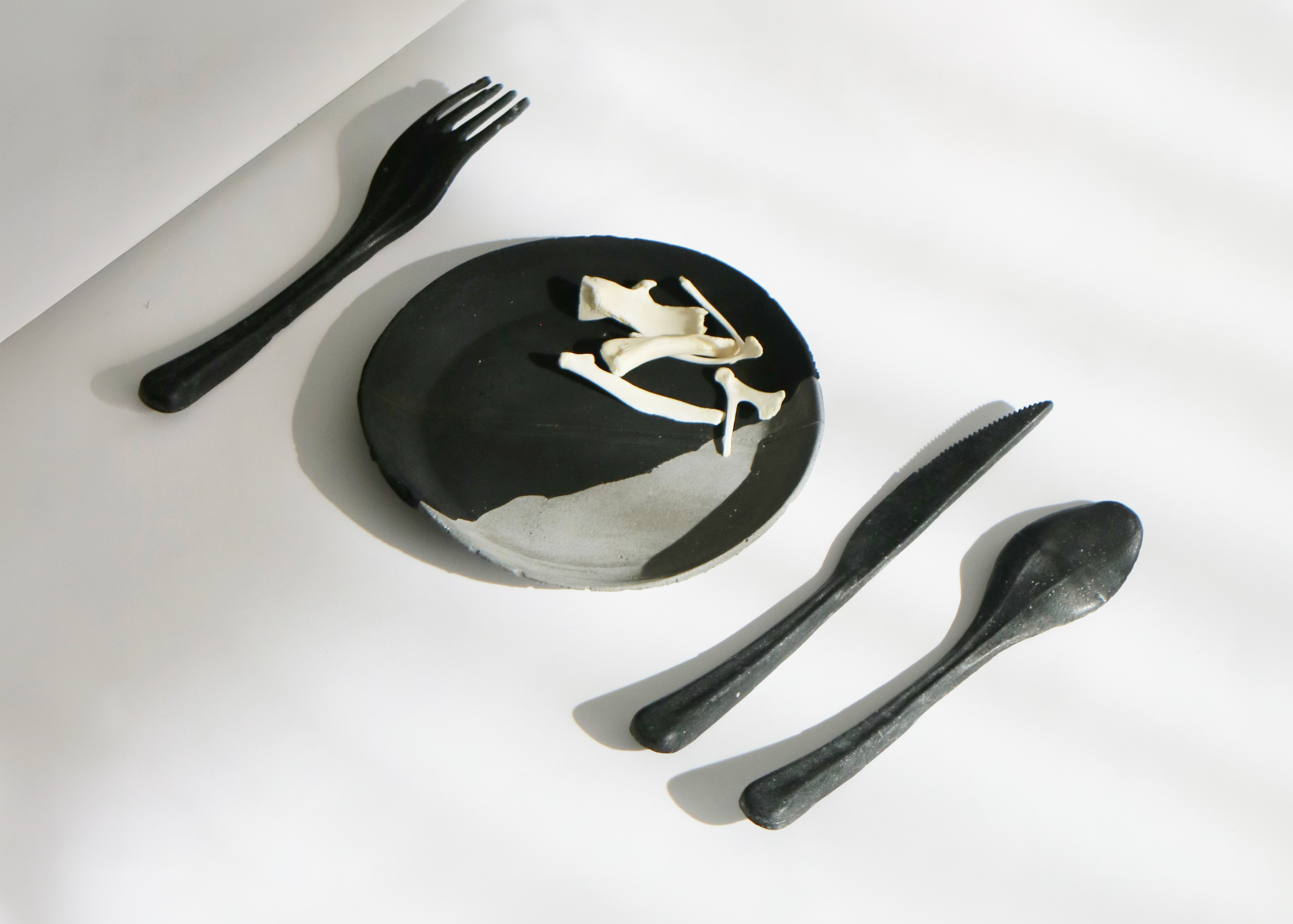
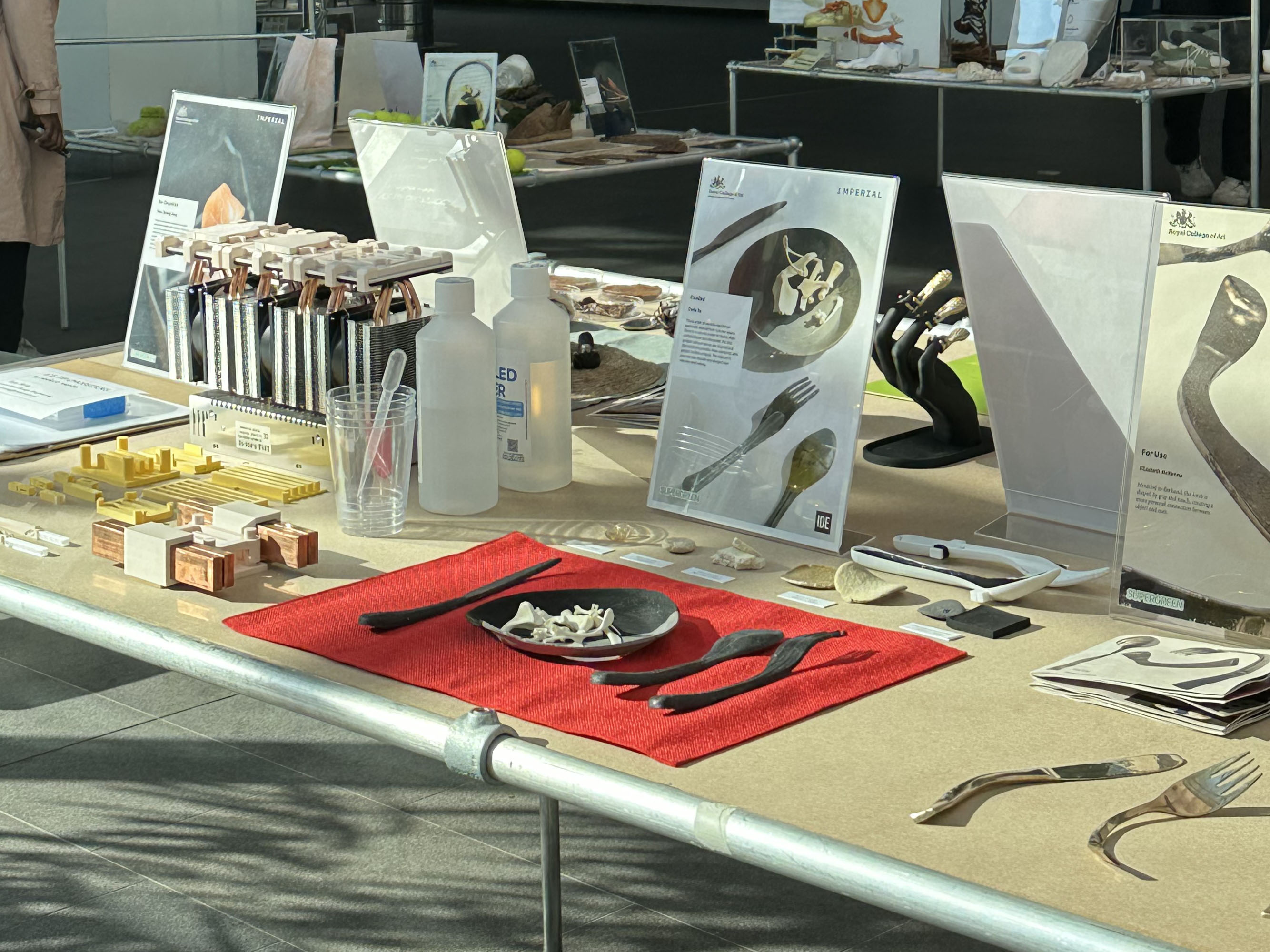
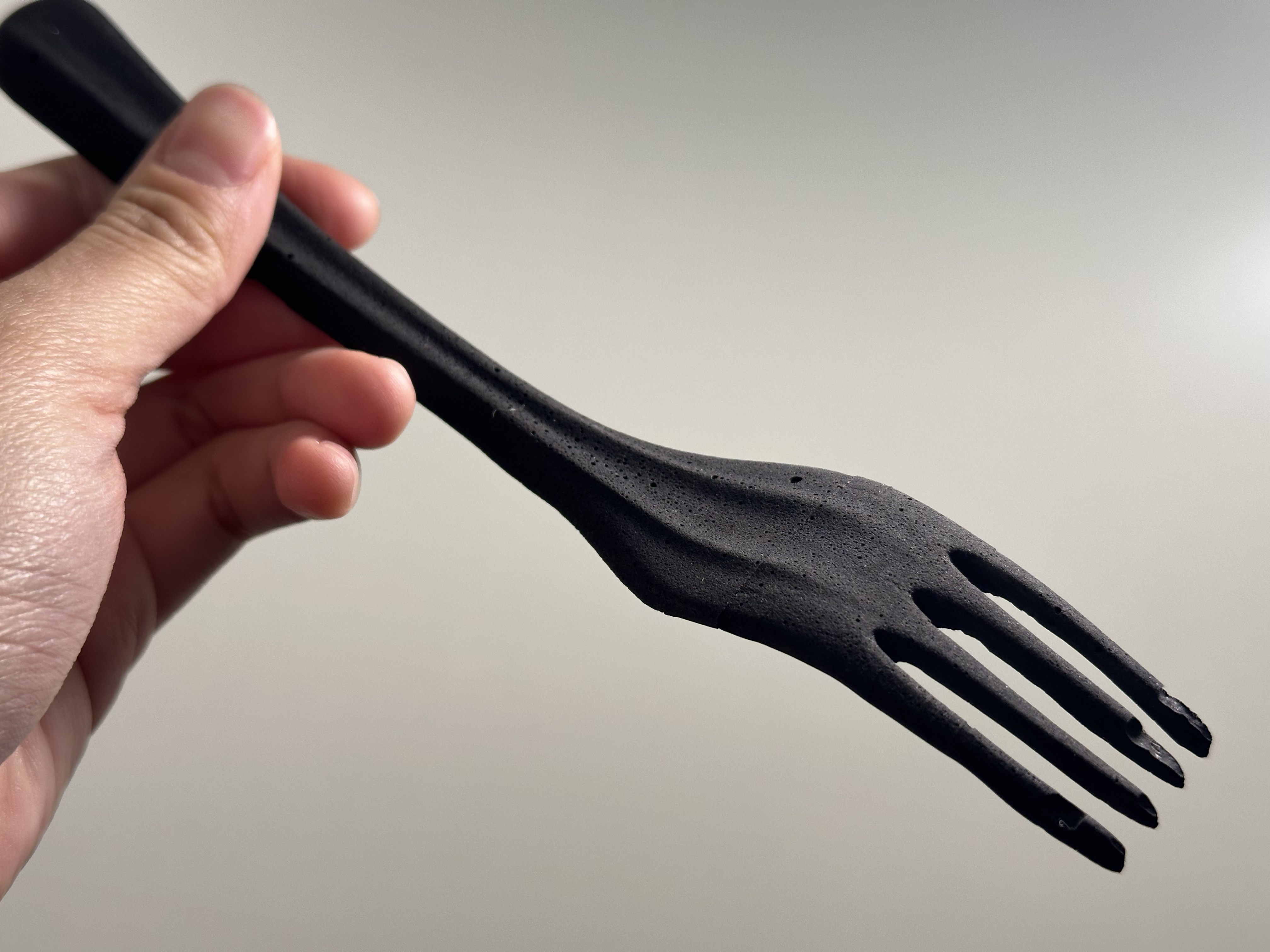
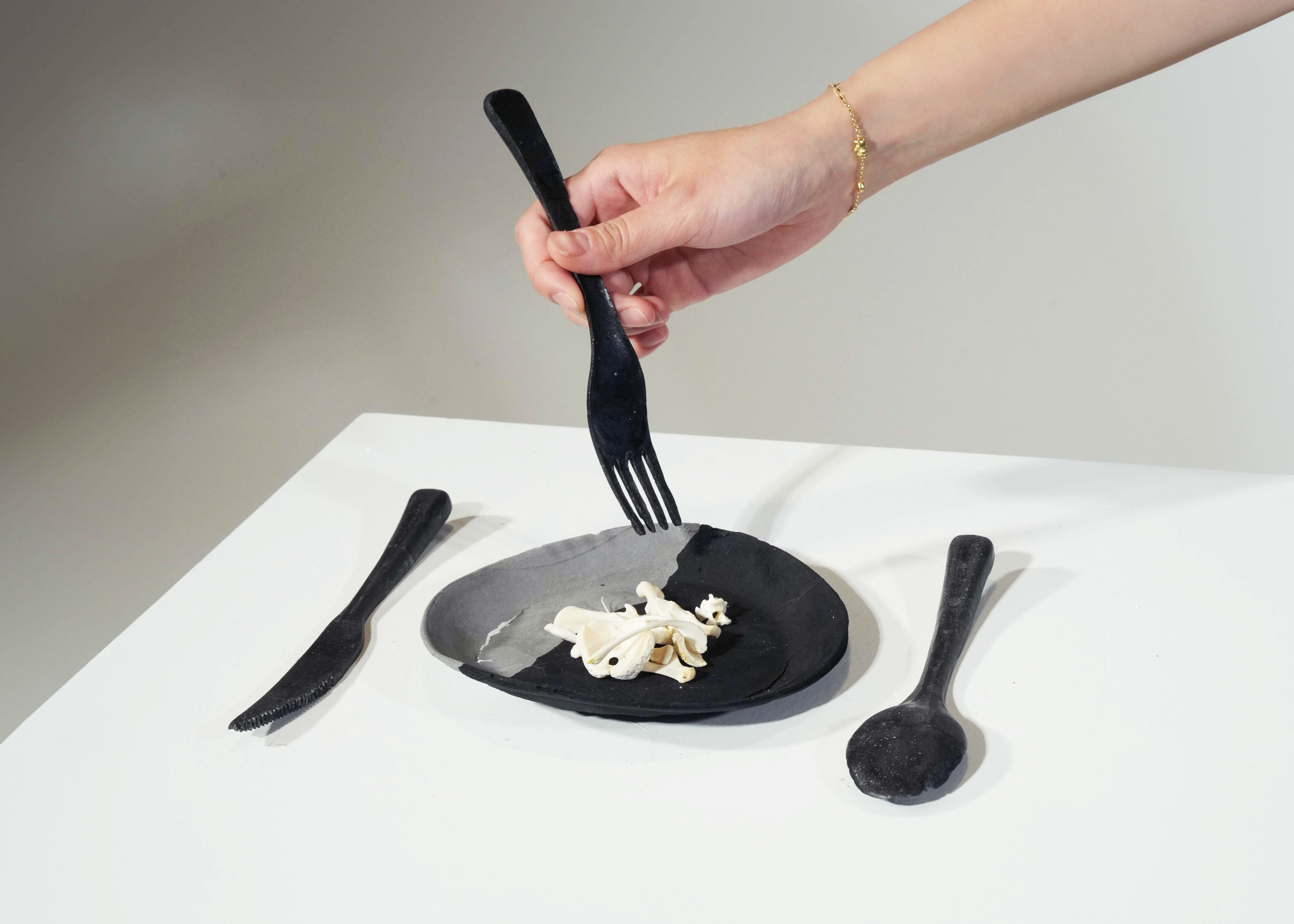
A set of utensils made from bone.
In prehistory bone was a scarce and valued material for making tools. In today’s world it is abundant and mostly treated as a byproduct of food production. This project reinterprets bone in a new context as a valuable and sustainable resource.
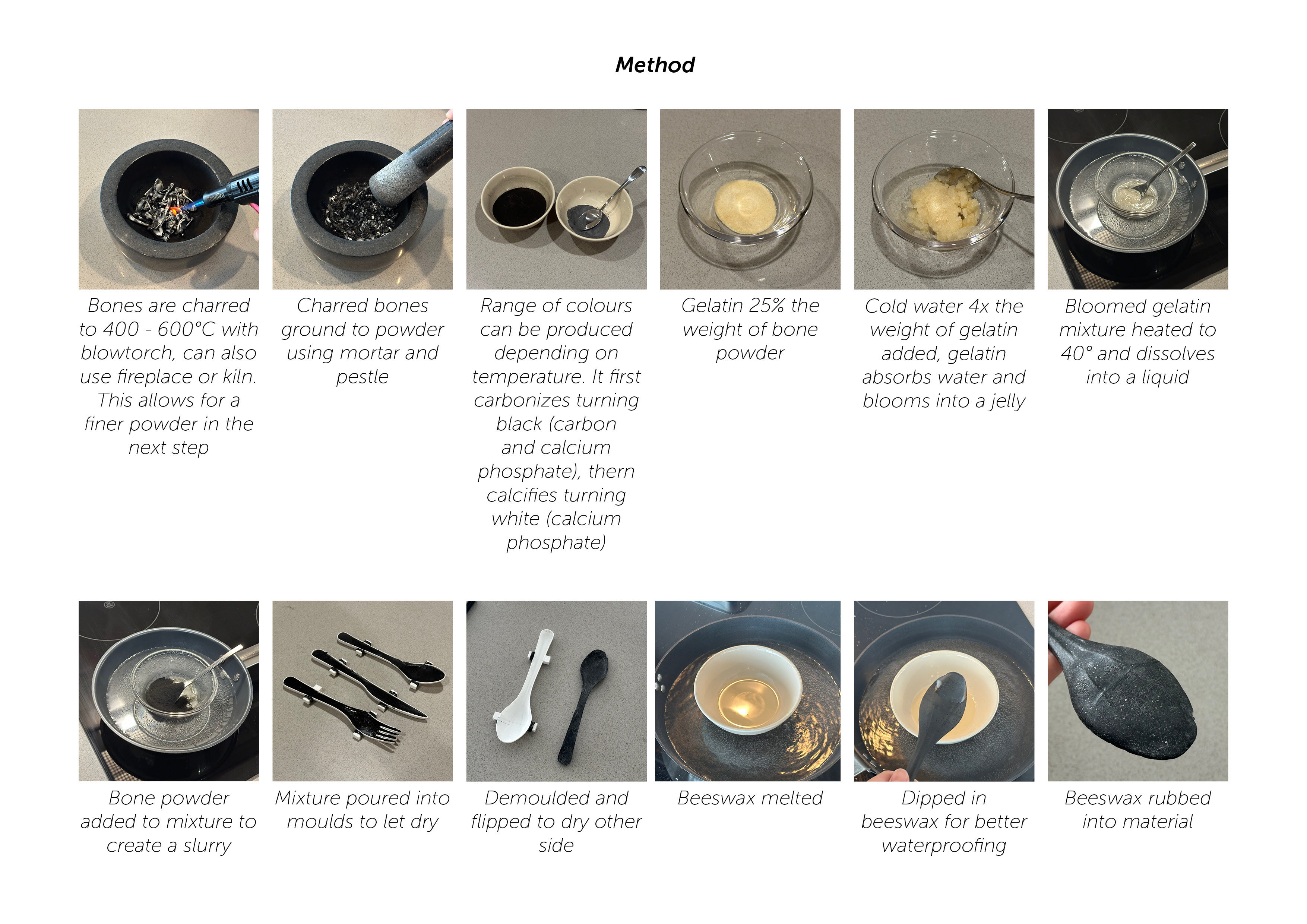
This is a set of moulded cutlery made from butcher waste. Bone is charred and crushed, then combined with gelatin and water to create a liquid which is poured into a 3D printed mould.
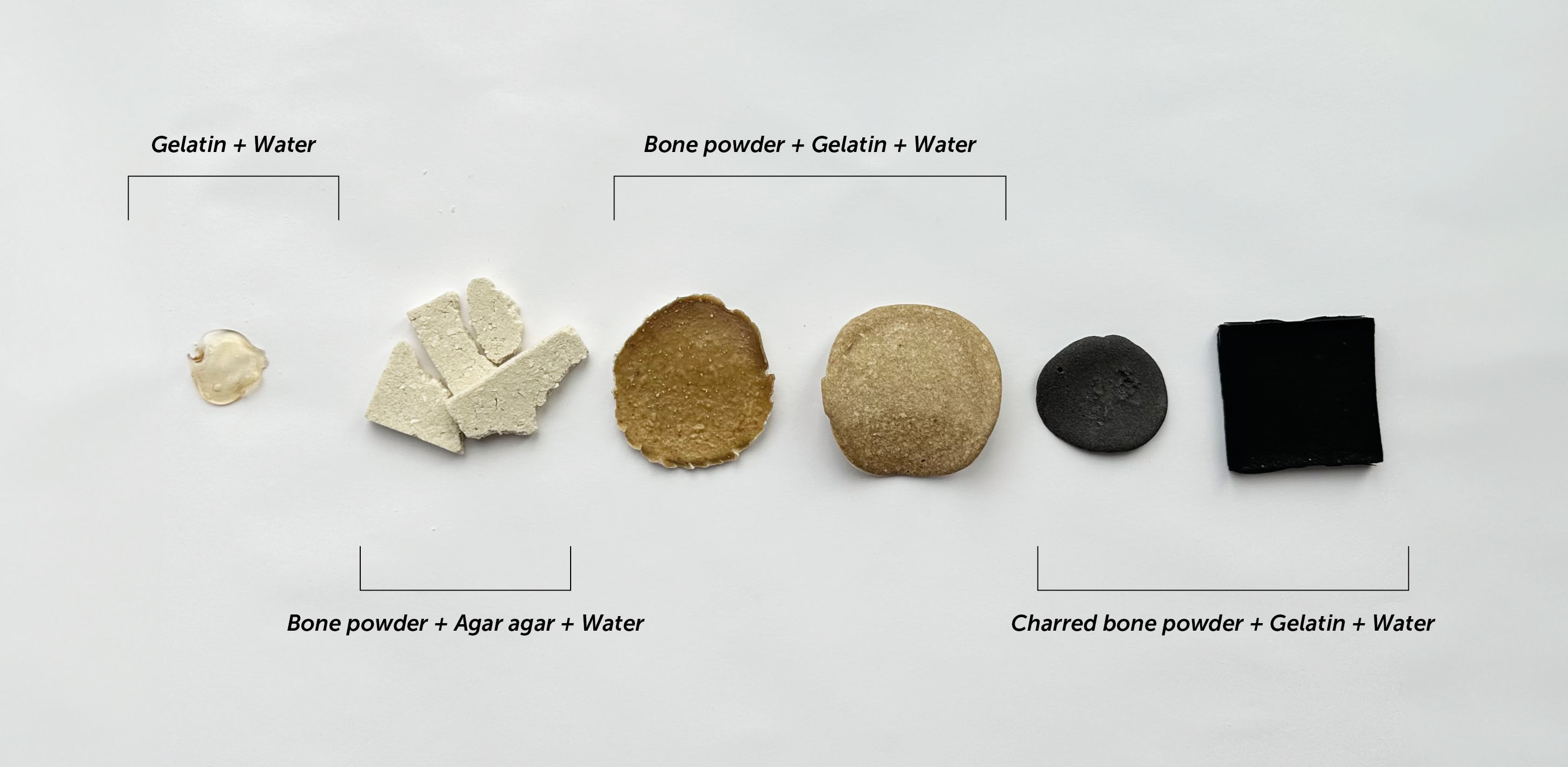
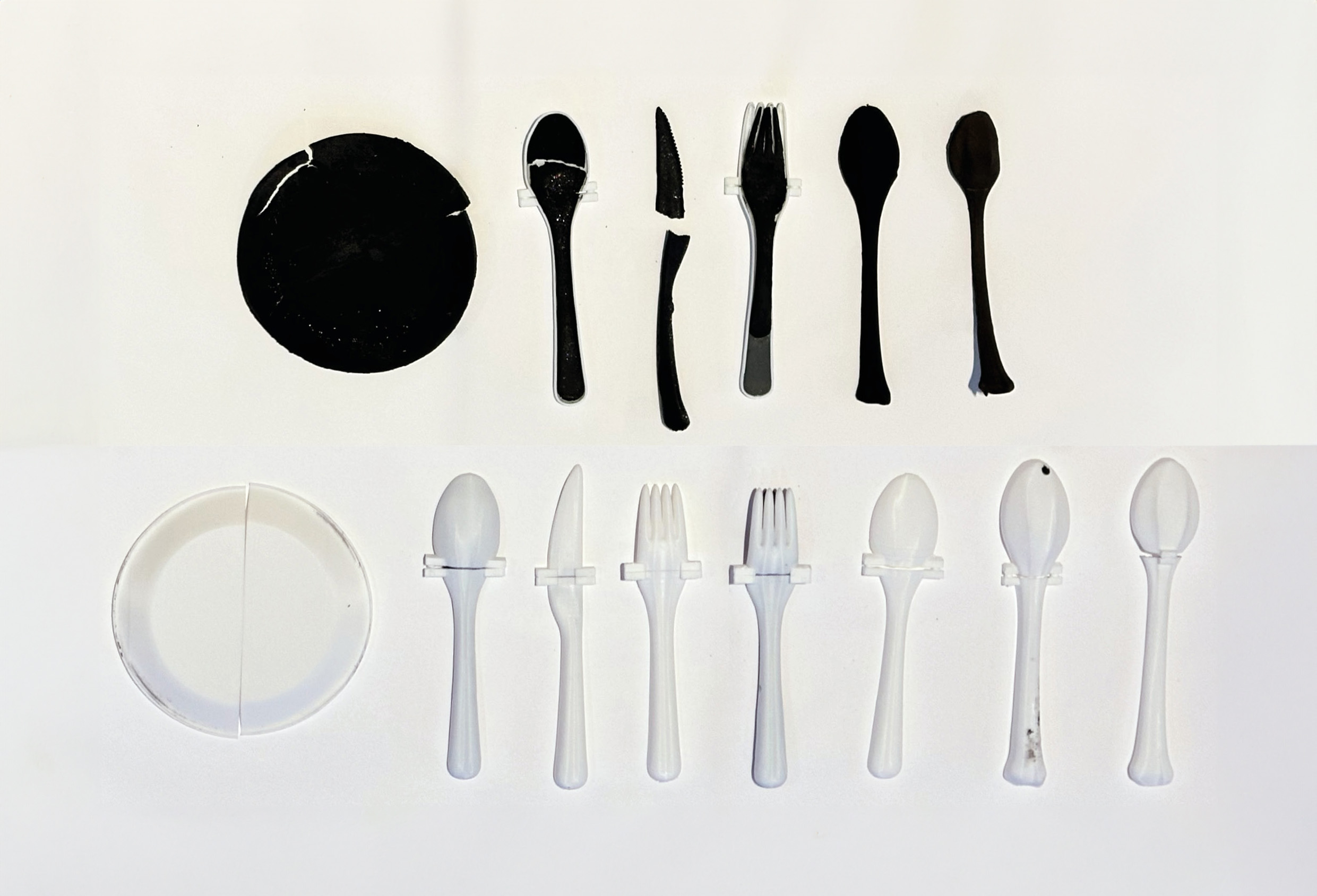
Experimenting with the viscosity of the liquid material when poured, taking into account the angle
at which the mould sits on the table when drying and how that affects material thickness.
The material
warps as it dries because it solidifies through water evaporation rather than chemical crosslinking.
This happens when one side dries quicker than the other. The mould is split into multiple sections to allow
removal when part is half-dried, allowing the part to be flipped and dried evenly, reducing warp.
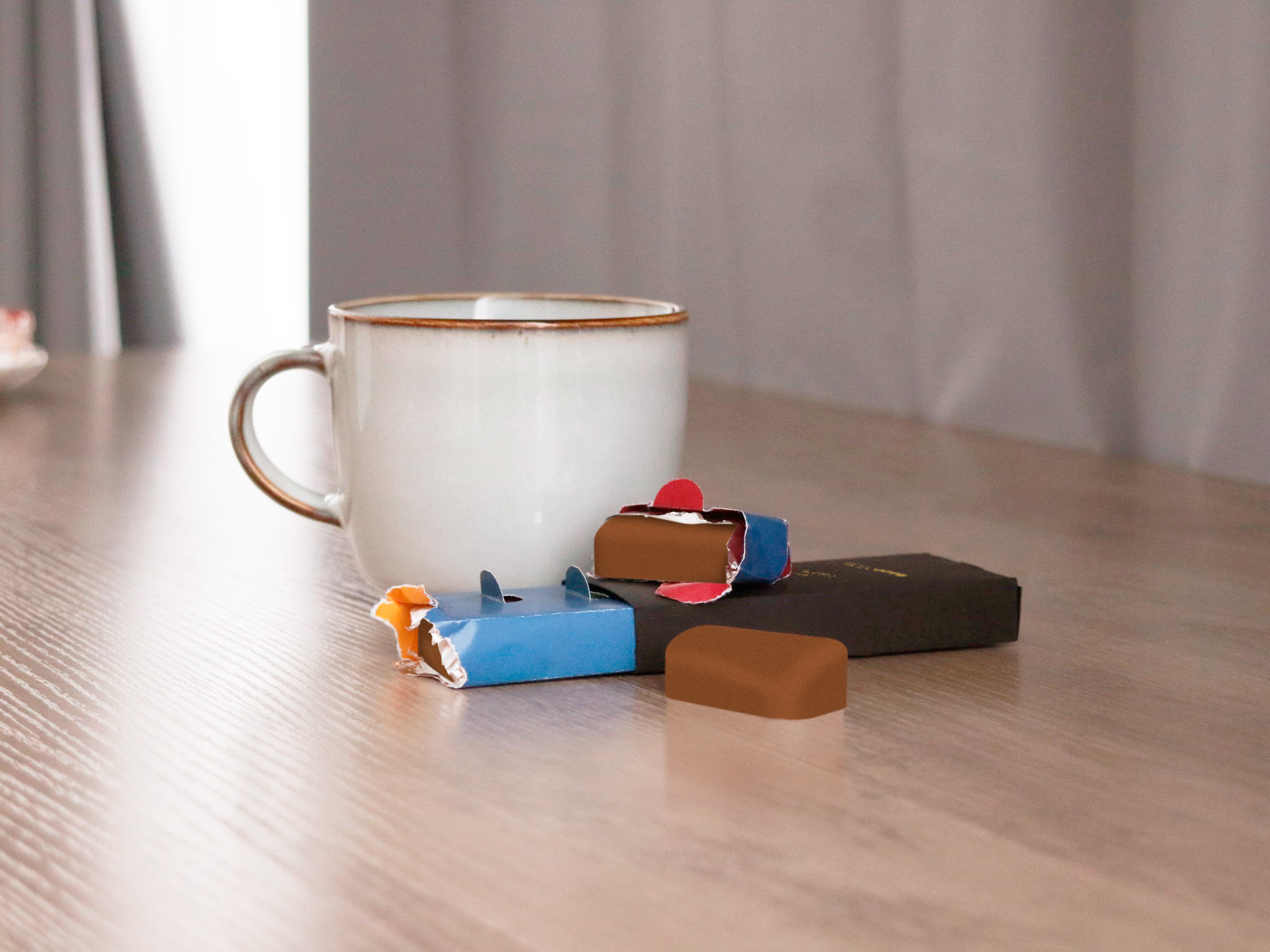
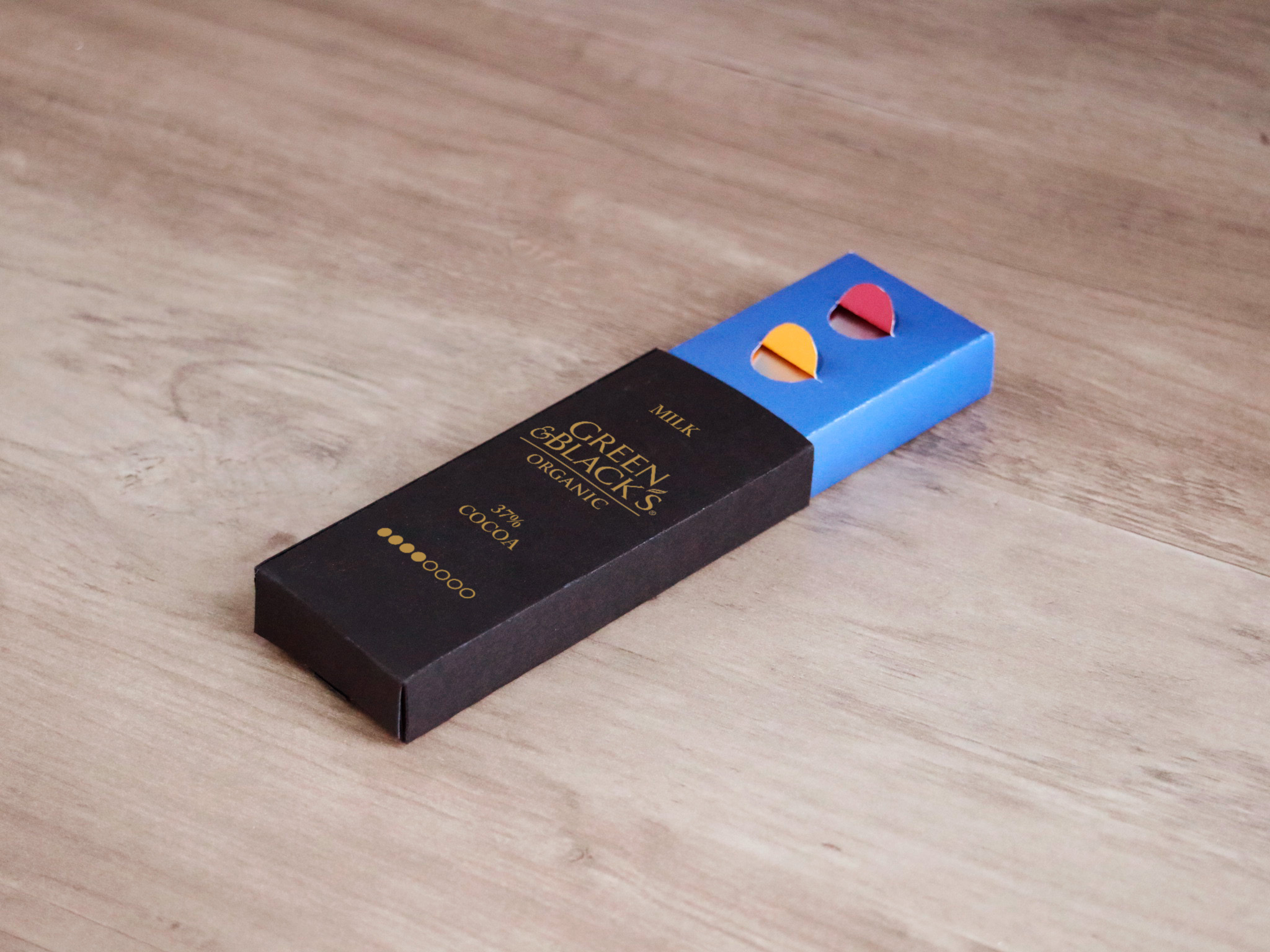
Re-designing packaging for Green & Black's organic milk chocolate.
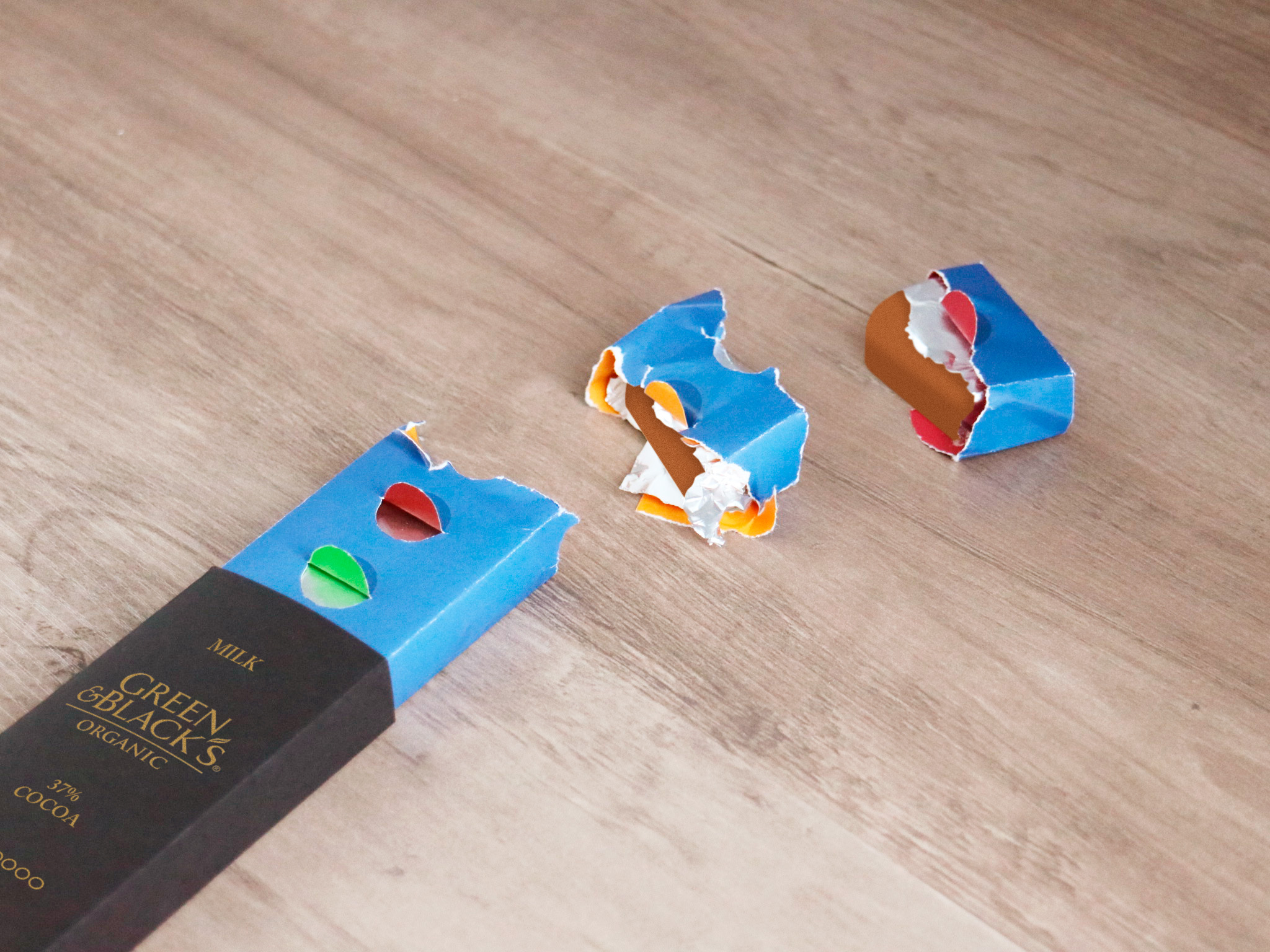
This packaging for Green & Black's chocolate bar focuses on creating the feeling of delight and surprise every time a piece is broken off, whilst keeping the mature and sophisticated aesthetics of the original brand. The colours used in the design are inspired by the jungle where the brand's cocoa beans are sourced.
As sections of the chocolate are broken off, different colours from the inside of the packaging are exposed and create an uplifting little moment for the user. The chocolate is kept fresh in the black card sleeve.
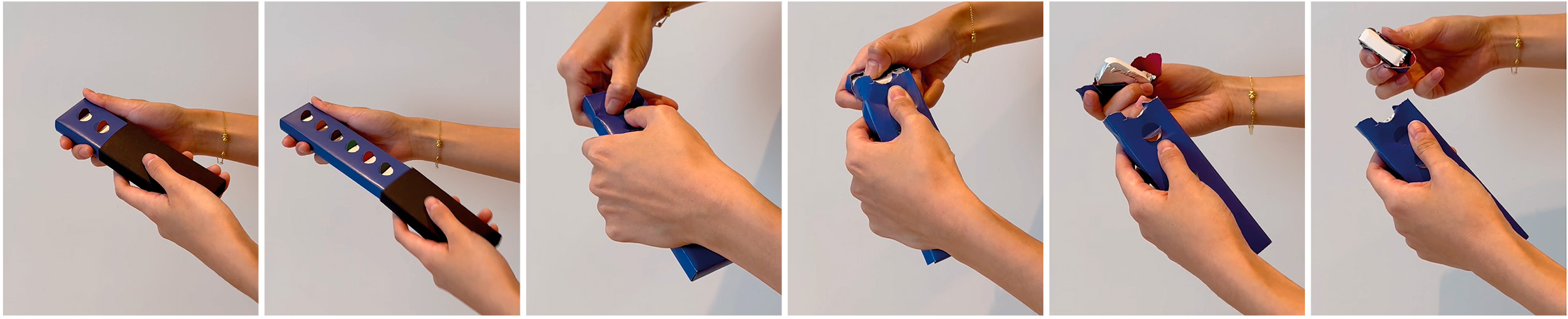

The aim was to create packaging that conveys the idea of chocolate being 'a little treat' and the brand's values of being natural and organic, whilst considering how it could be mass manufactured.

A desk designed to gently reduce phone distraction.
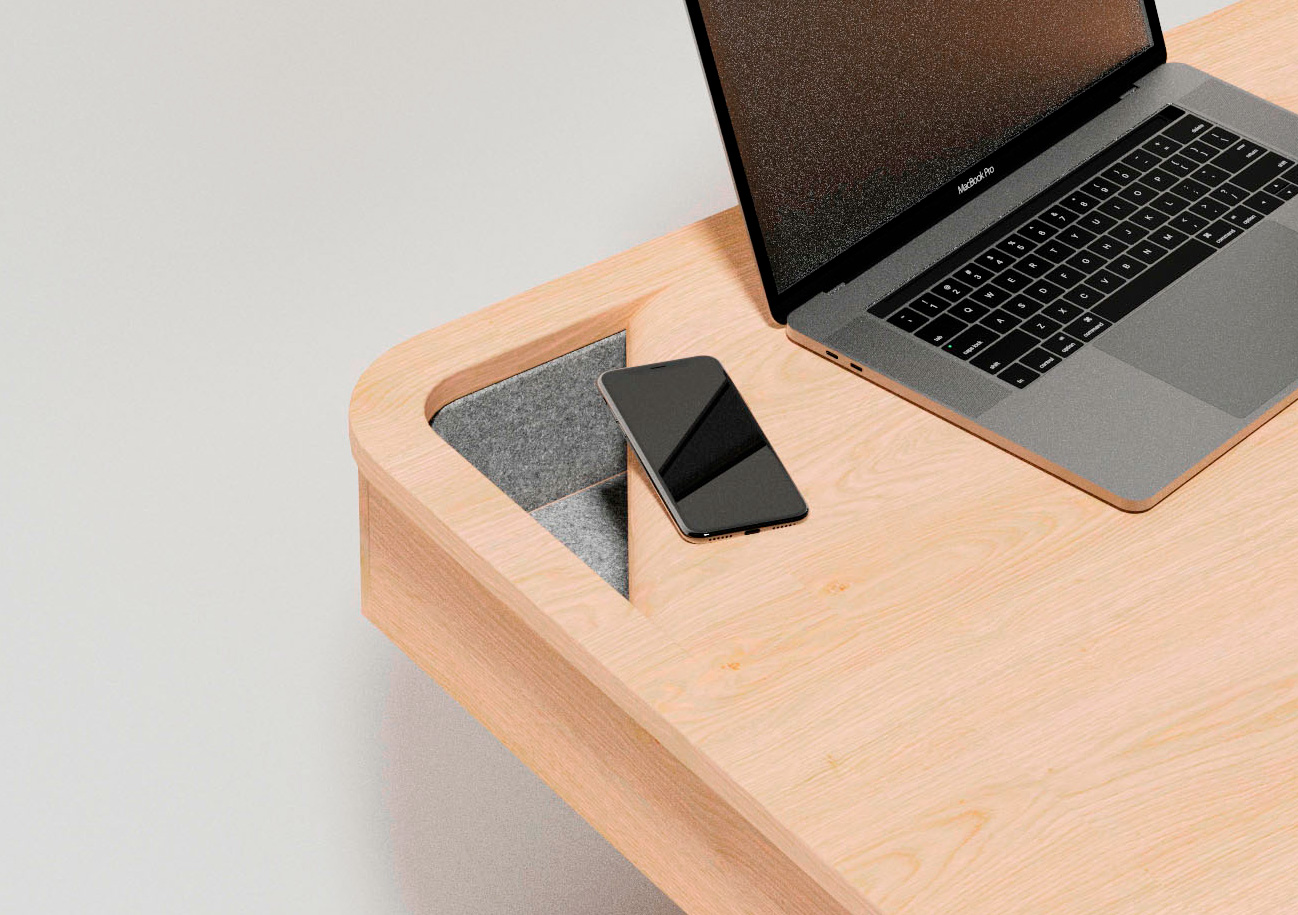
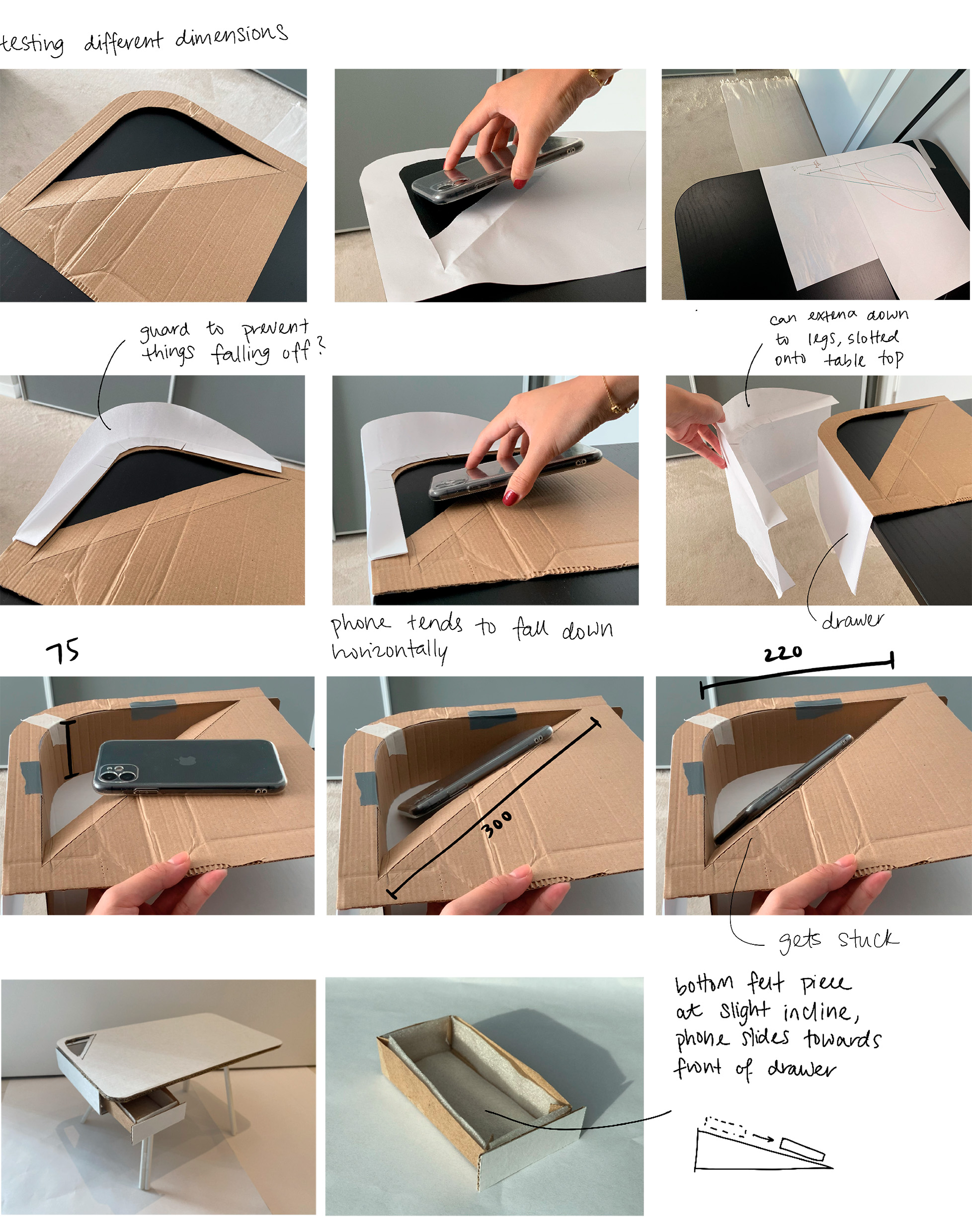
This design aims to create a work environment in which users notice their distractions less frequently, therefore allowing the conditions for deep concentration and focus. The desk is made to subtly and gently remove the temptation of distractions such as smart phones.
The desk has a slot in the corner where the phone can be pushed into. The phone drops down into a drawer hidden underneath the tabletop out of sight, where it gets silenced automatically. The user can customize which notifications they want to receive through the app.

This design gently encourages the user to push their phone away from them so that it is out of sight and out of mind. The slot is designed to be unobtrusive on the desk and allows for an intuitive and seamless action.
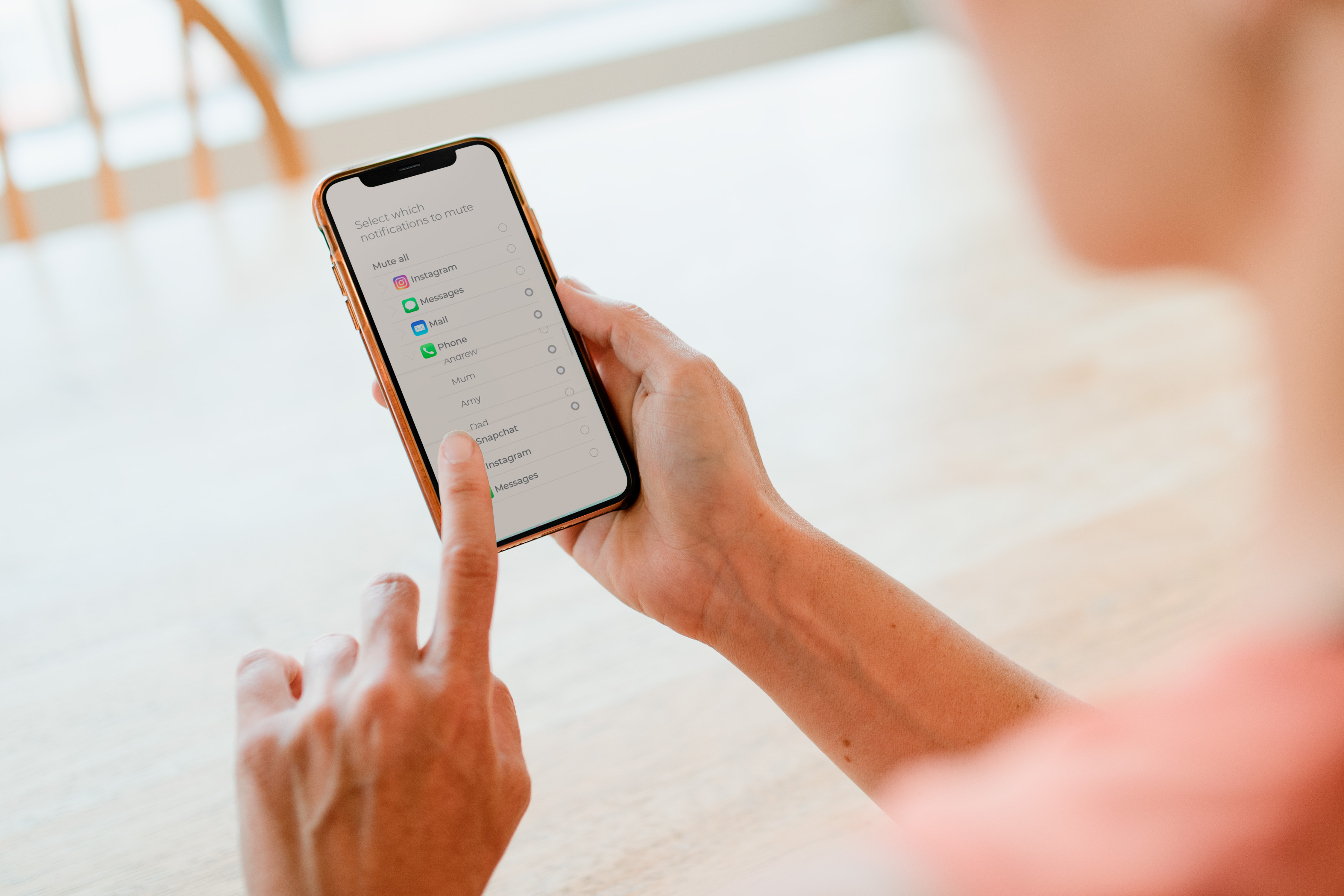
A NFT tag is imbedded in the drawer below the slot and mutes the phone automatically. An app allows the user to customize which notifications they want to receive whilst phone is in the drawer.


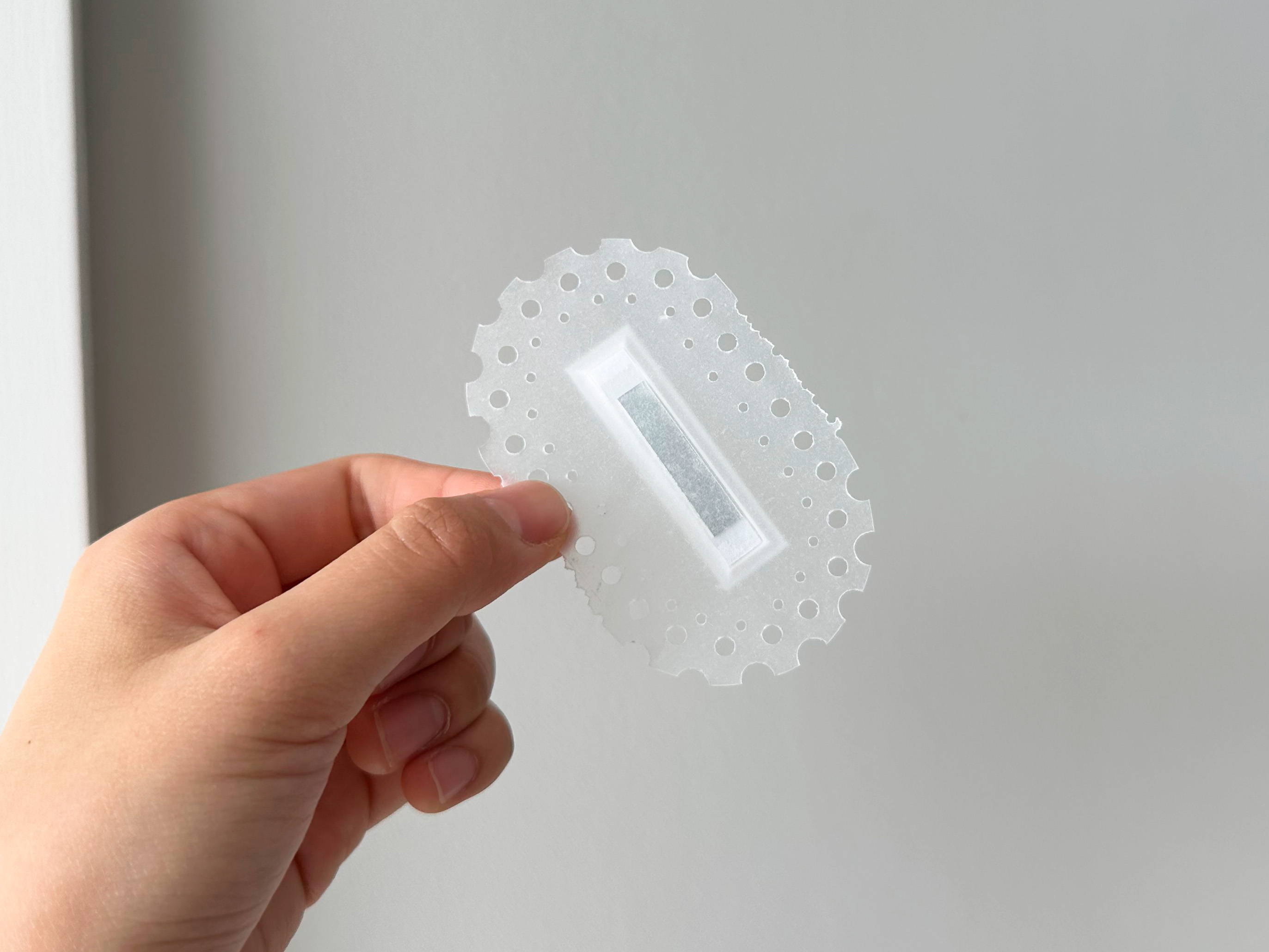
In collaboration with


An AM tag that deters shoplifters from trying to tear it off of product packaging.
In Boots stores, shoplifters often peel AM security tags off of products that they are trying to steal so that store alarms don’t get set off as they try and leave the store.
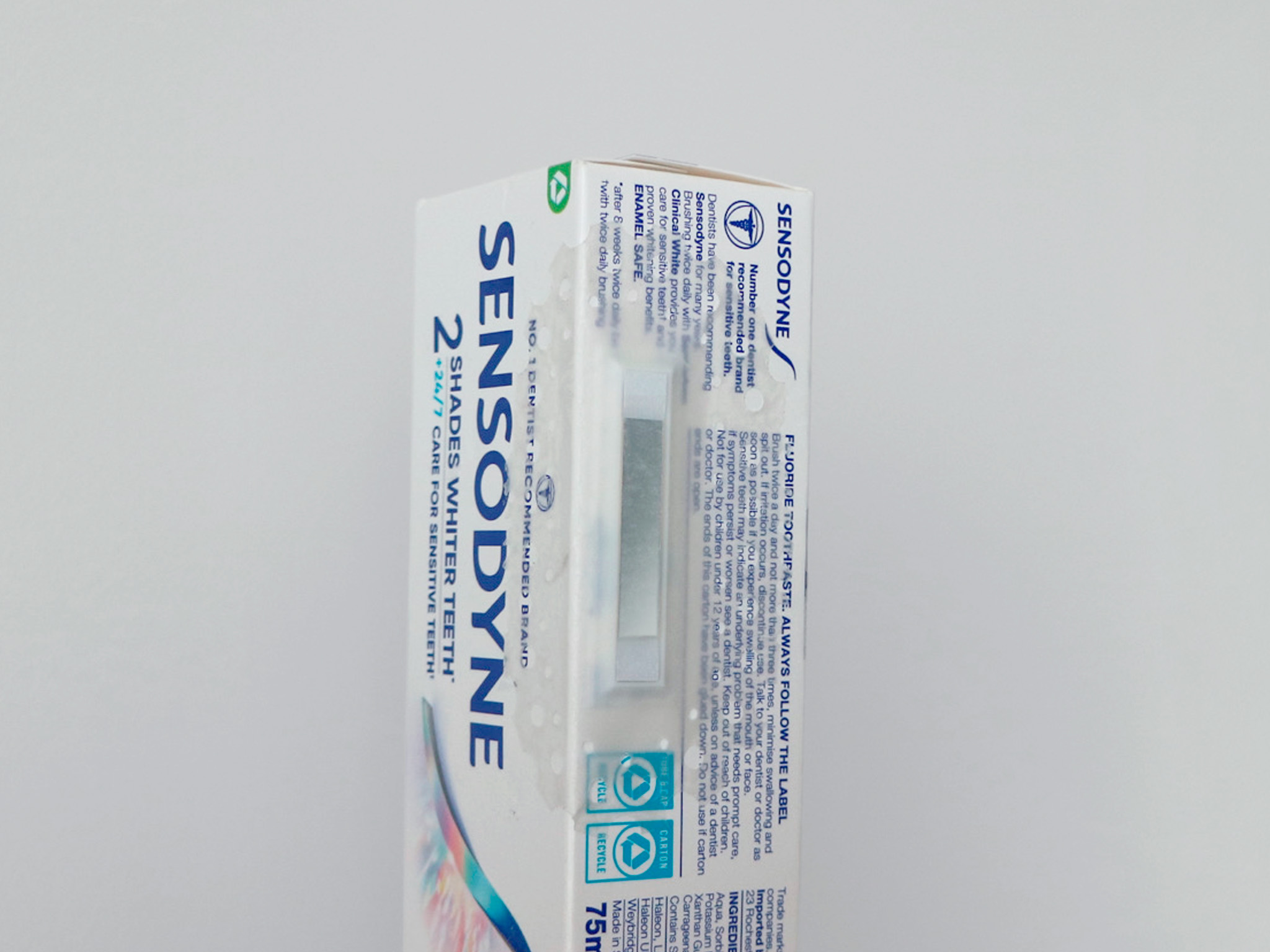
This version of the tag uses perforated paper and is designed to tear into little pieces when shoplifters try and rip it off, preventing the tag from lifting off easily from the product. It aims to slow down and deter the shoplifters from trying to remove it.
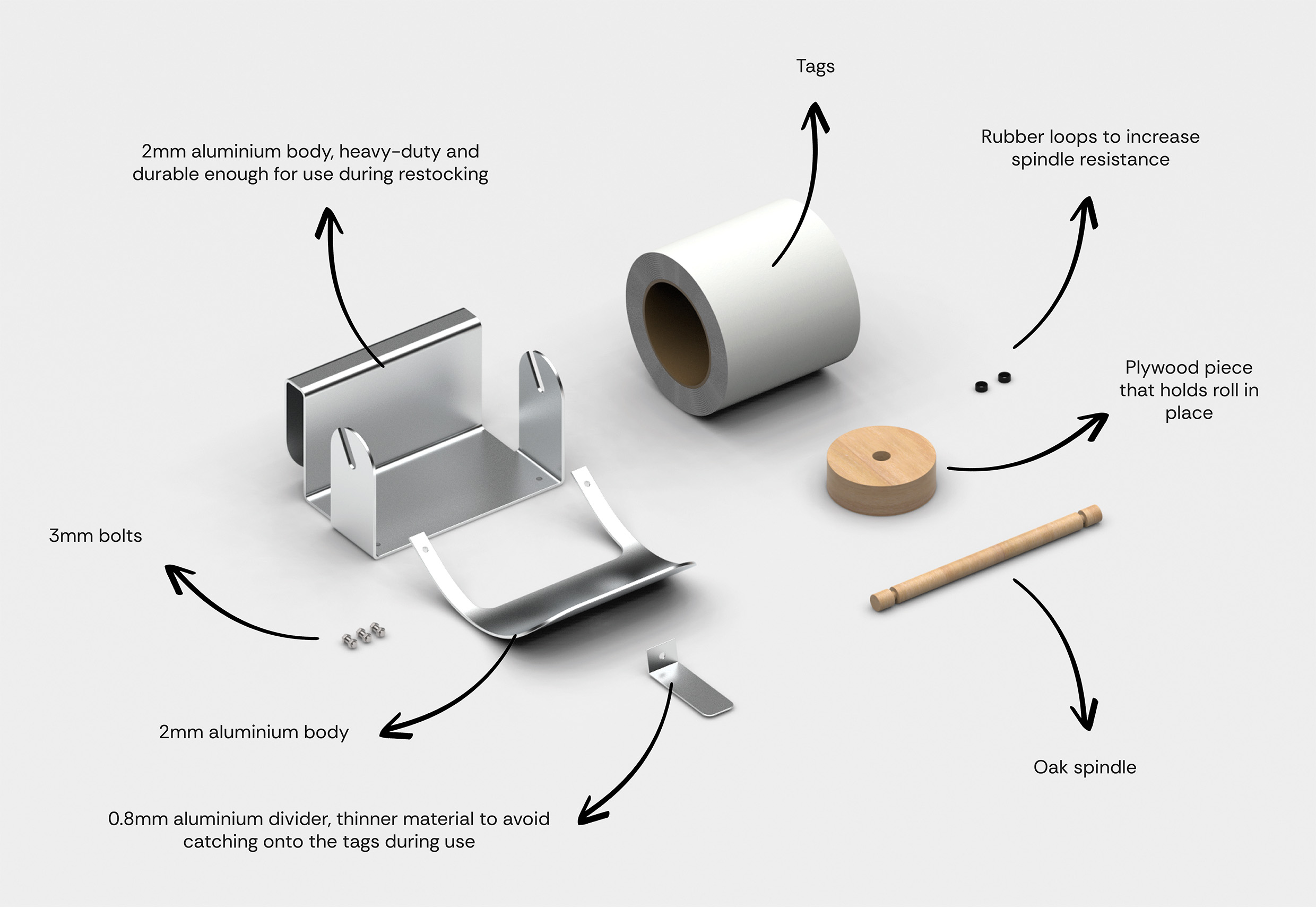
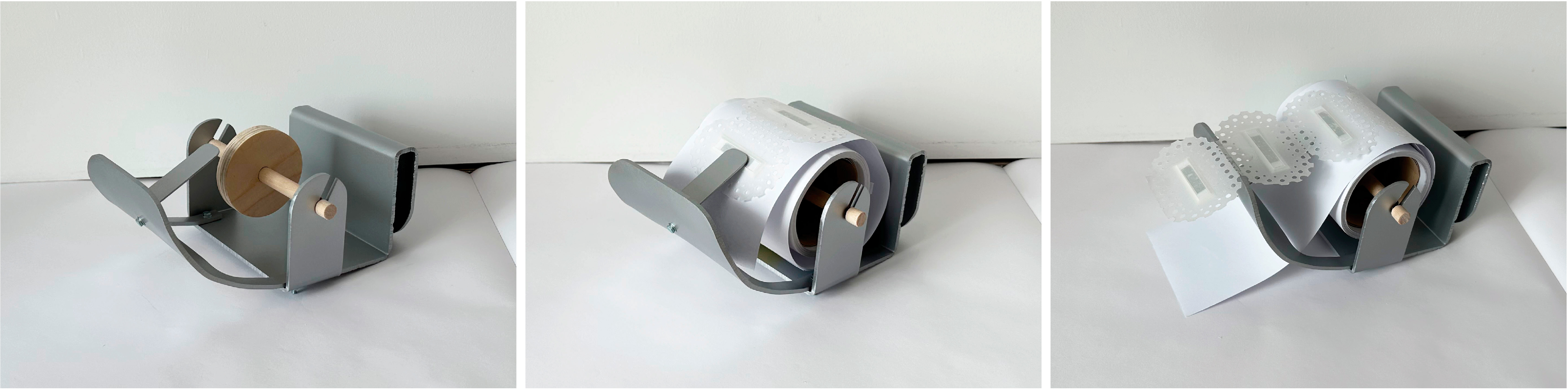
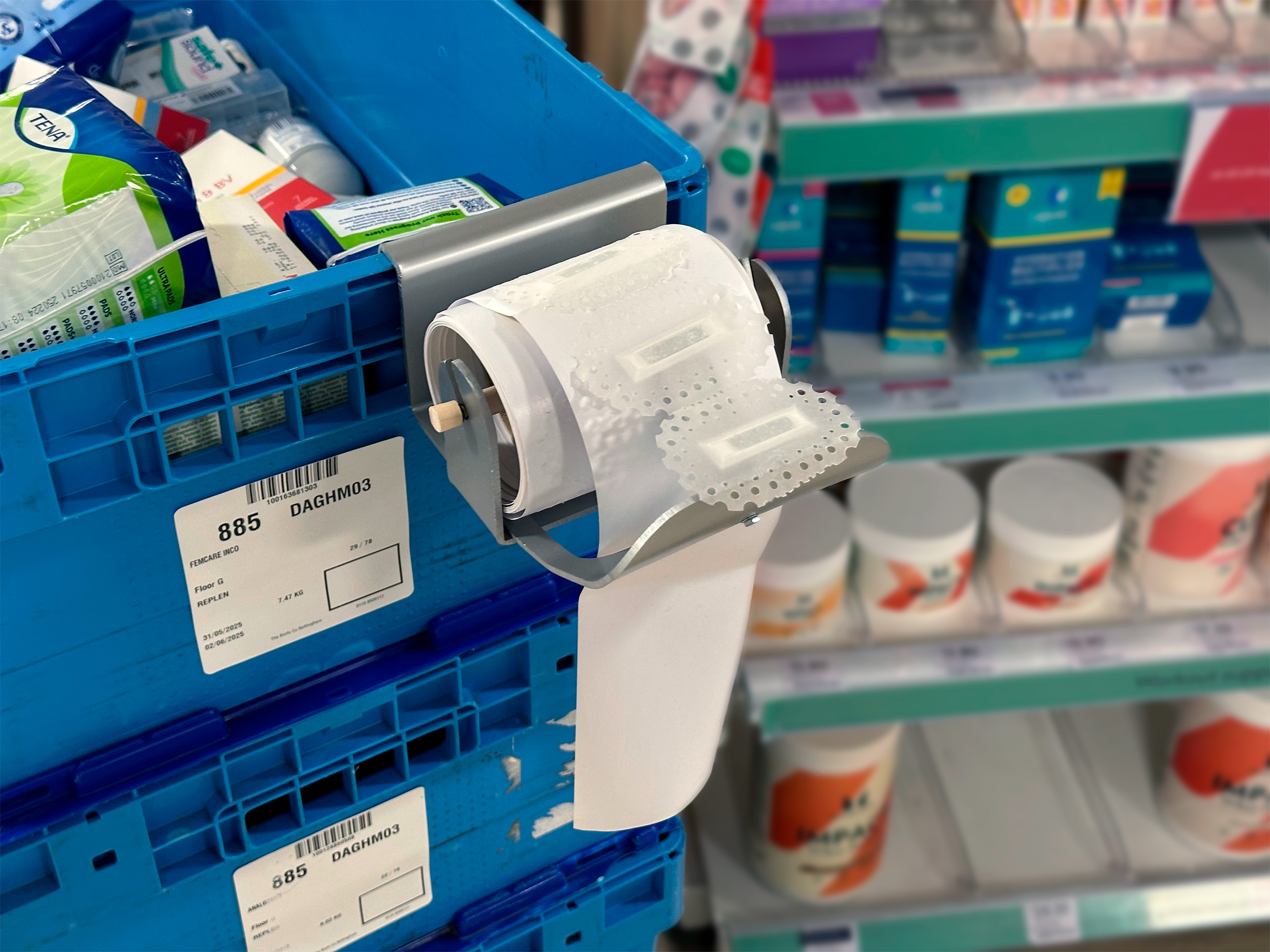
The dispenser for the tag slots on to the edge of the trolleys that Boots employees use to restock shelves. It can be operated with one hand and makes it easier and faster for employees to apply the tags whilst restocking shelves.
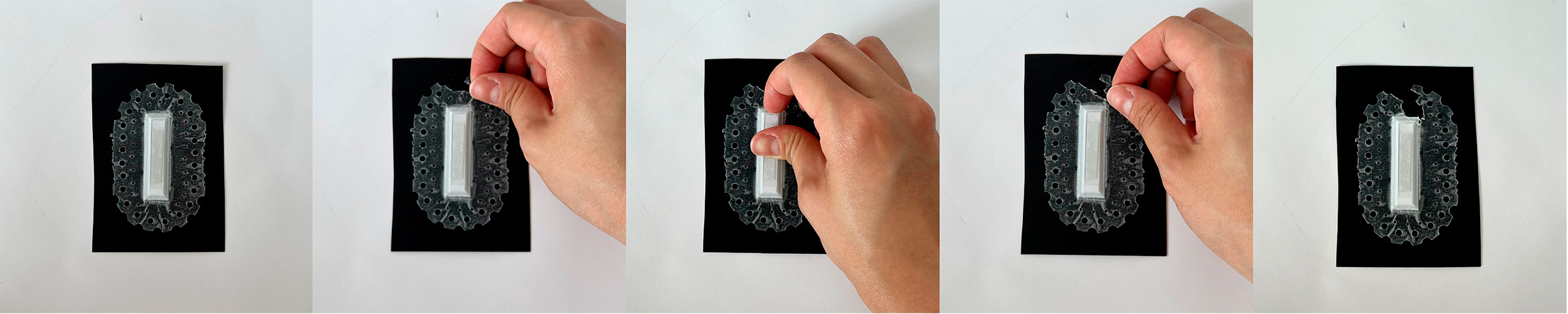
Choosing a shape that is difficult for shoplifters to lift off of the packaging, whilst keeping it strong enough to handle for shop employees.
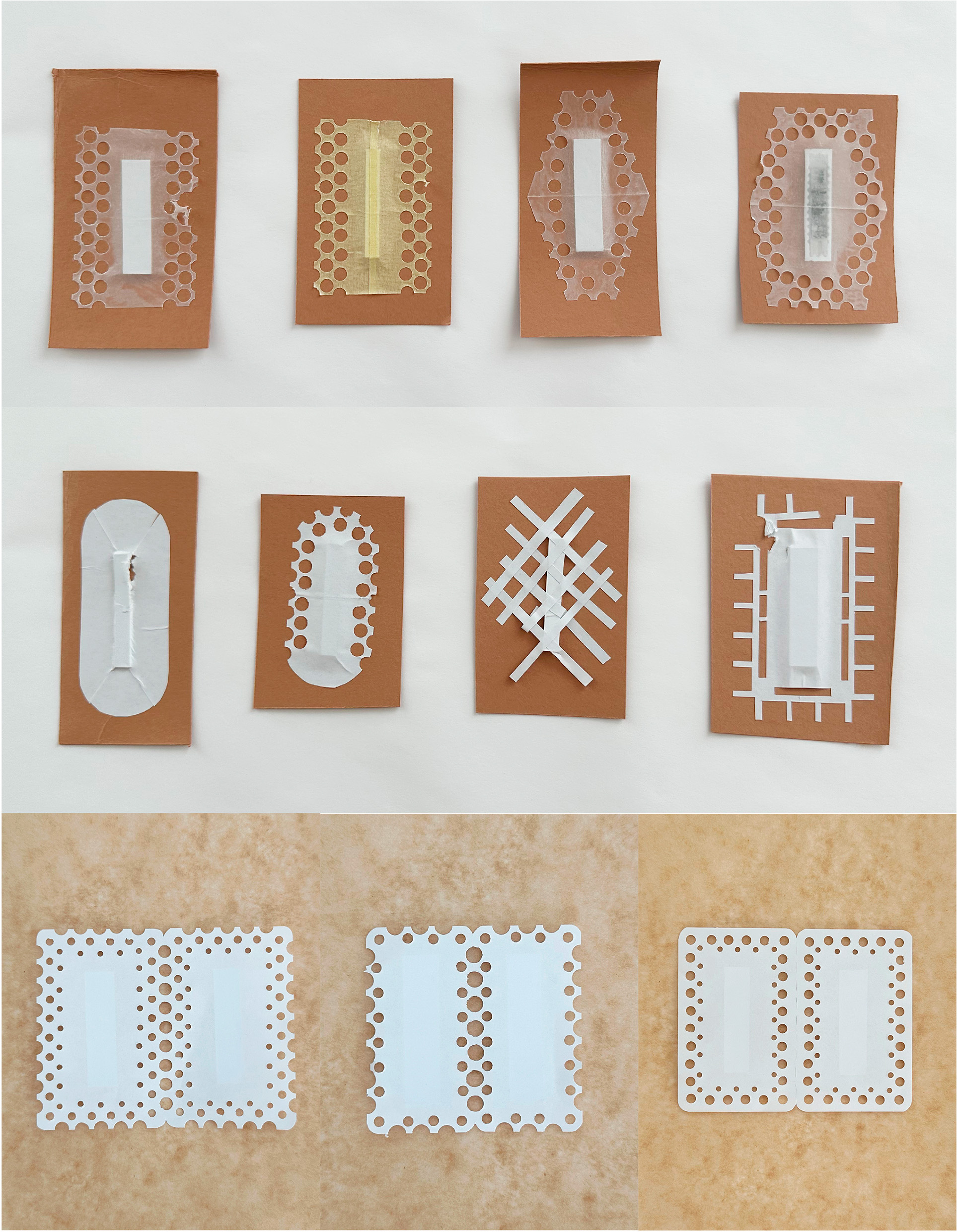
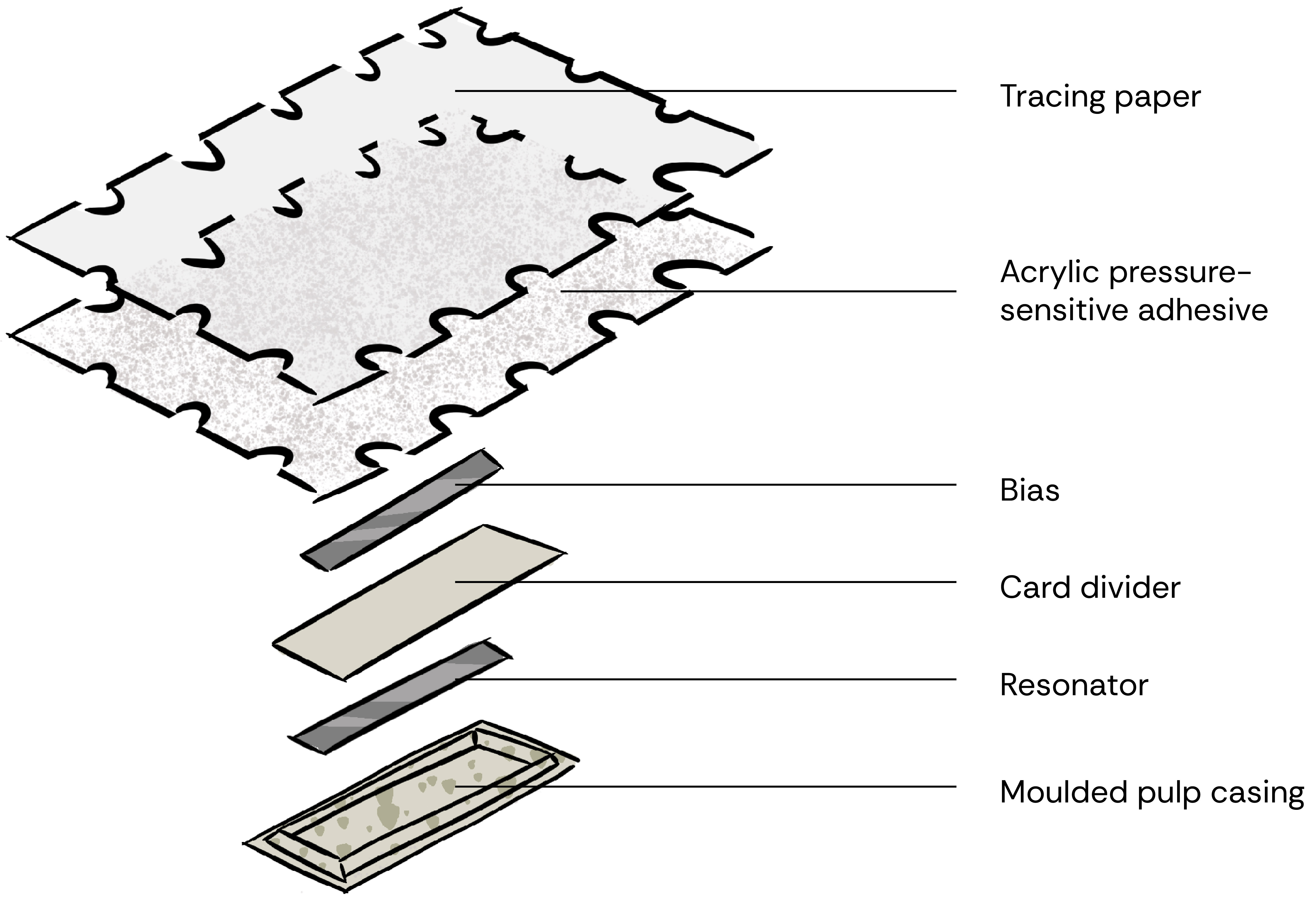
Using perforations on a paper-based material prevents the sticker from being torn off in one piece.